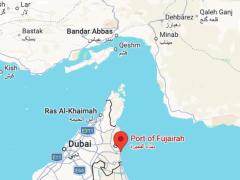
While the Middle East and India are mature markets, they have not been totally devastated by the global recession. “They are still pretty buoyant,” says Margrit Wolff, managing director of Buffalo Freight System who believes it’s a strong growth area. “It should ultimately rival China if they can get the spend to upgrade their infrastructure,” Wolff told FTW. “There is strong existing trade, the prices are right and the quality is getting there,” says Wolff. “And they’re also innovative.” A range of products is currently moving on the route – from furniture, foodstuffs, textiles and handicrafts to pharmaceuticals, fruit and fresh meat. And with the exception of certain southern Indian ports where cargo is transhipped, transport links are more than adequate. But a major obstacle for local shippers is payment. “I have had exporters battle to get letters of credit paid out despite their banks having verified them. “With India they have a plethora of inland customs hubs which can be confusing, on top of which the infrastructure is bad and transport to port is lengthy, complicated and fraught with problems.” Adding further delays, Customs in India physically inspects at least 5% of all export cargo, says Wolff. “This is done after the LCL or airfreight shipment leaves the supplier and causes delays and bad repacking of cargo, which is already generally in second hand cartons.” And this is why the shipper’s choice of forwarder is so crucial, in Wolff’s view. “You need a forwarder with an outstanding network of agents, expertise in the countries of origin, the benefit of regular groupage services – and most of all the know-how to overcome obstacles.”
Payment a major obstacle
Comments | 0
© Now Media. This content is protected by copyright and may not be adapted or republished. If you would like to discuss cooperation opportunities, please contact: editor@freightnews.co.za.