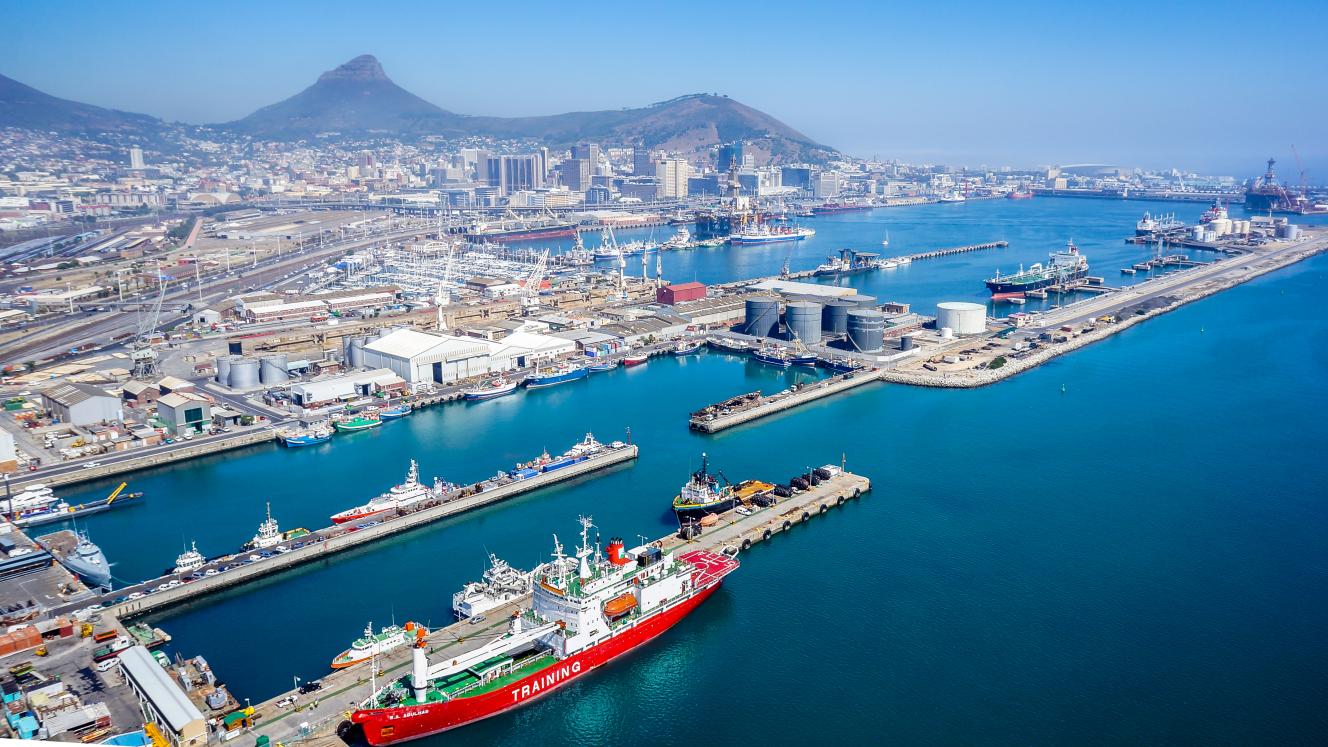
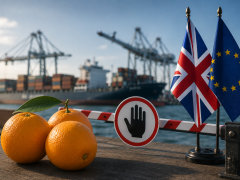
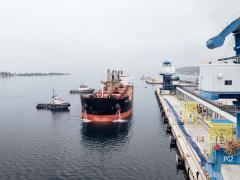
As export momentum builds around Richards Bay and Durban, industry stakeholders are warning that increased customs enforcement and evolving compliance requirements are adding fresh operational pressure across the supply chain. “The increased enforcement operations by customs and other government agencies are resulting in sometimes unnecessary detentions of containers, with importers having to face increased storage and other costs,” said Allan Heydorn, a partner at Shepstone & Wylie Attorneys. Heydorn said the Pre-Export Verification of Conformity (PVoC) programme had become a major focus area for importers and logistics operators seeking clarity about evolving compliance requirements. Additional regulatory changes are also coming into effect. From 1 June, all foreign- registered vehicles entering or leaving South Africa will need to be declared on the South African Revenue Service (Sars) Traveller Management System prior to crossing the border. In May, Sars also announced an amendment to allow for the increase of duties on certain steel products. According to Mona Appalsamy, a senior associate at Shepstone & Wylie, this was done through amendments to Part 1 of Schedule No. 1, including the substitution of various tariff subheadings under chapters 72, 73, 82 and 83 to increase the associated rates of customs duties. Despite the challenges, significant investment and infrastructure developments continue to create optimism around Durban and Richards Bay, said Heydorn. An important development for Richards Bay is the planned Bulk Terminal Project, which is expected to support exports of commodities, including chrome and magnetite. In February, Transnet issued a request for qualifications to identify a partner in the private sector participation project. “The terminal will serve as a critical export gateway for bulk commodities such as chrome and magnetite,” said Heydorn. “Improvements to the port and rail infrastructure are also under way nationally. The naming of 11 private train-operating companies is expected to boost exports along several corridors, including the coal line to Richards Bay. “Besides the Richards Bay Coal Terminal (RBCT) line, coal, chrome and magnetite will also be handled through the dry bulk and multi-purpose terminals.” Appalsamy said a total of 8 630 vessel arrivals were recorded at South African ports during the 2025/26 financial year, compared to 7 912 in the previous year. “This represents the strongest growth since 2011/12 and is attributable to improvements in operational efficiency and port performance,” she said. Ongoing instability in the Middle East is contributing to more vessels opting to sail around the African coastline and the Cape of Good Hope to avoid conflict-hit waters. Given this situation, expectations are that ports such as Durban and Richards Bay could continue to attract additional cargo volumes. LV
Optimism remains despite supply chain challenges
Comments | 0
© Now Media. This content is protected by copyright and may not be adapted or republished. If you would like to discuss cooperation opportunities, please contact: editor@freightnews.co.za.