Oil prices surged more than 6% to a two-week high on Wednesday, July 8, as renewed hostilities between the United States and Iran and attacks on commercial vessels raised concerns about energy supplies through the Strait of Hormuz, Reuters reported.
Brent crude futures rose $4.83, or 6.5%, to $79.15 (R1 314) a barrel by 10:52 GMT, while US West Texas Intermediate crude gained $4.80, or 6.8%, to $75.20 (R1 248) a barrel.
The price increase followed the apparent collapse of a fragile ceasefire between the US and Iran, renewed US military strikes and attacks on commercial vessels in and around the strategic waterway.
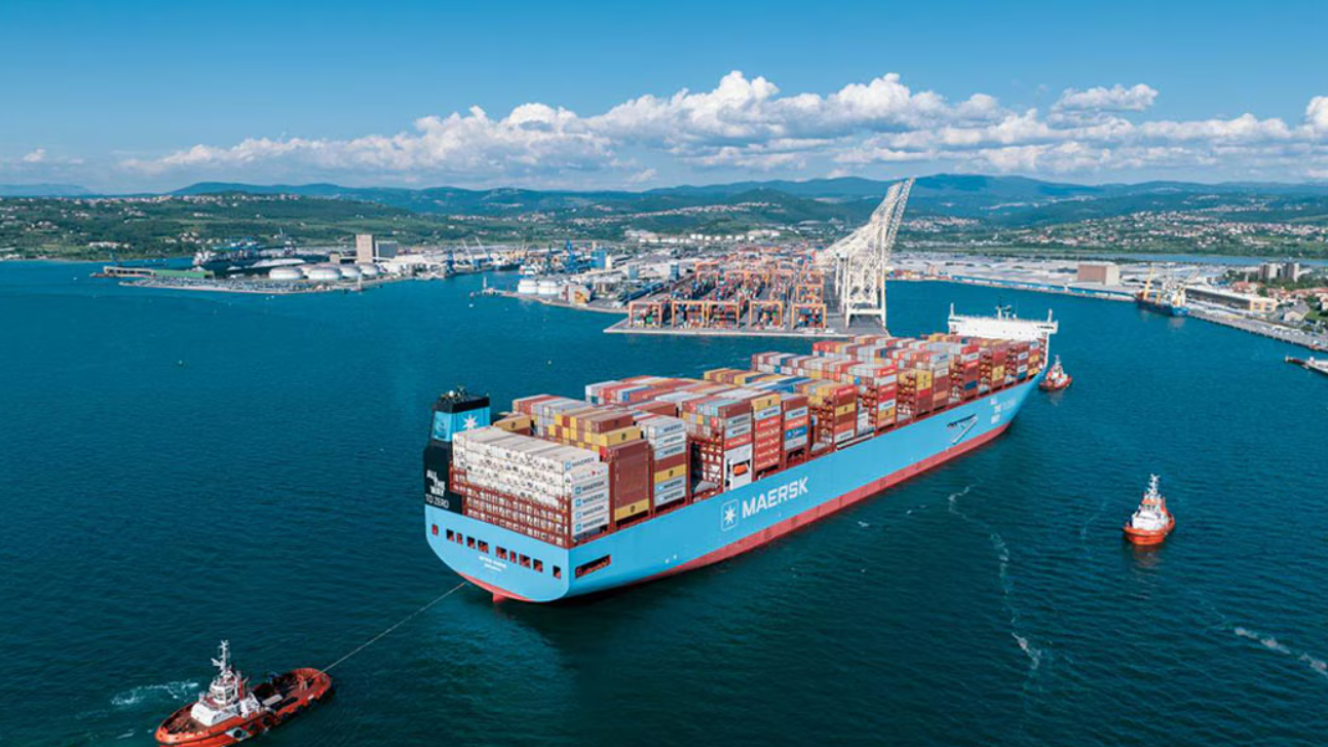
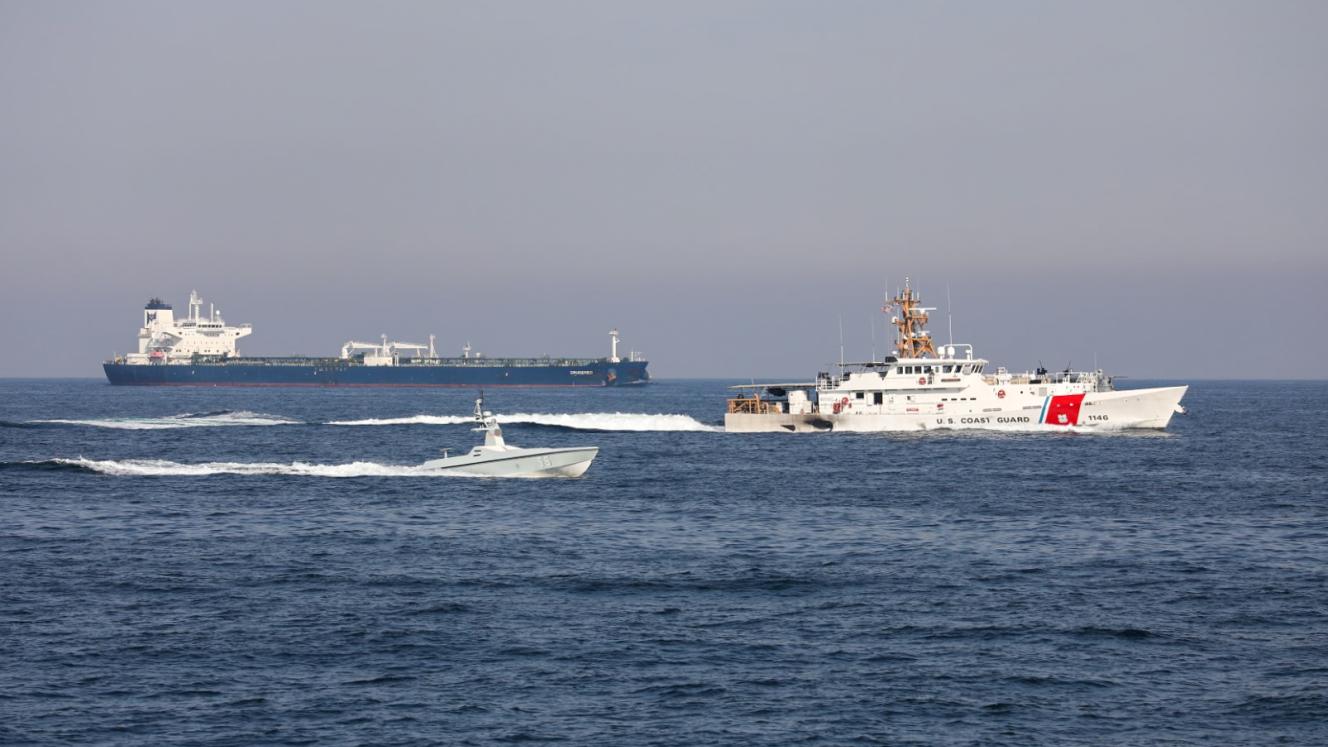
The renewed tensions have disrupted commercial shipping, with at least four oil and gas tankers turning back from attempts to transit the Strait of Hormuz.
Three LNG tankers controlled by QatarEnergy turned away late on Tuesday, July 7, while an Indian-flagged very large crude carrier (VLCC) carrying two million barrels of Kuwaiti crude made a U-turn off Oman on Wednesday, ship-tracking data showed, according to Reuters.
The vessel movements followed attacks on commercial vessels in or near the strait on July 7, including damage to a Qatari LNG tanker and a Saudi-flagged crude oil tanker. The incidents prompted maritime authorities to raise the threat level for vessels transiting the waterway to ‘severe’, Reuters reported.
IMO urges caution over Hormuz transits
International Maritime Organization Secretary-General Arsenio Dominguez has condemned the attacks and urged flag states, shipowners and operators to avoid exposing seafarers to unnecessary danger by transiting the Strait of Hormuz as long as the safety and security of crews cannot be assured.
“These reckless attacks have again placed innocent seafarers in grave danger. No seafarer should have to risk their life simply for doing their job,” said Dominguez.
He called on states involved in the conflict to exercise maximum restraint, de-escalate tensions and facilitate the safe departure of vessels trapped in the Gulf.
The IMO said nearly 6 000 seafarers remained stranded on vessels unable to leave the Persian Gulf safely.
Addressing the IMO Council in London on July 8, Dominguez said an evacuation framework established with member states and industry representatives had enabled 136 vessels carrying 2 900 seafarers to leave the Strait of Hormuz through two alternative routes.
The existing Traffic Separation Scheme could not be used because of security risks, including the presence of sea mines.
However, the evacuation operation has since been suspended because the safety of vessels and crews can no longer be assured.
The IMO was seeking guarantees that vessels could use the alternative evacuation routes without the threat of attack so the operation could resume, said Dominguez.
He also raised concerns about high maritime insurance costs in the region, saying elevated premiums were adding to pressure on shipowners and operators and increasing freight costs.