The Mozambican government has established a specialised office to oversee the development of the country's first national railway connecting its northern and southern regions.
The North-South Railway Office (GLNS) was approved by the Council of Ministers and will coordinate the promotion, development and implementation of the project. Construction is projected to take six to eight years.
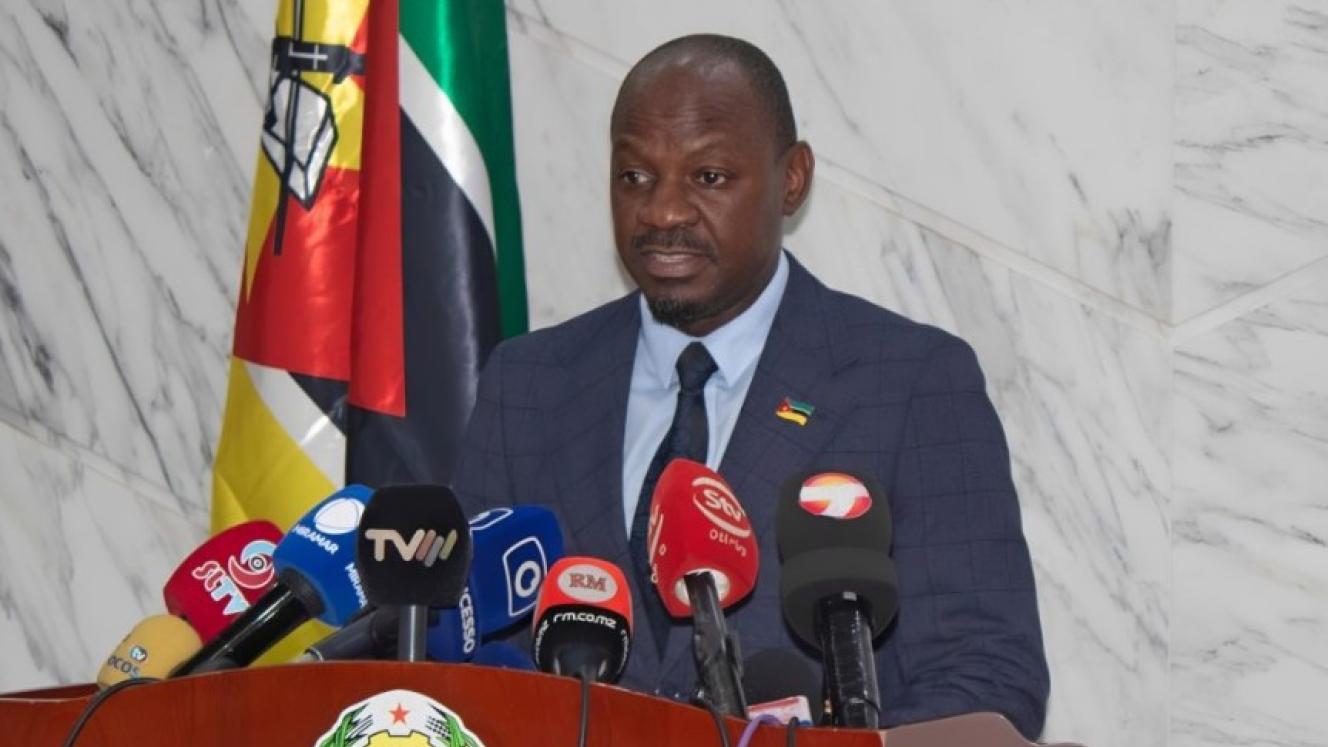
Government spokesperson and Minister of State Administration, Inocencio Impissa, told reporters after the Cabinet meeting on Tuesday that the initiative will link existing rail corridors through extensions and new track sections.
The core objective, Impissa said, is “to establish an efficient connection between strategic poles of agricultural, industrial, mining and tourism production”.
He said the line will strengthen national unity and support broader regional integration within the Southern African Development Community (SADC).
Historically, Mozambique has lacked a unified national rail system. Colonial-era and post-independence lines were built predominantly in an east-west orientation to provide landlocked neighbours – Eswatini, Zimbabwe and Malawi – with access to Indian Ocean ports.
The earliest major line, constructed in 1896, connected the erstwhile Boer republic of the Transvaal to Lourenço Marques (now Maputo), offering an independent sea outlet.
No north-south corridor has ever linked Maputo directly with northern Mozambique.
Smaller domestic lines once existed but are no longer functional, including the Quelimane–Mocuba branch in Zambezia province, which was destroyed by Renamo during the 1980s civil war.
Impissa said current operational lines will form the starting point for the GLNS. New sections will target “points defined by the government as strategic in terms of productive capacity”.
The office will conduct technical, economic and financial feasibility studies, secure funding, attract foreign investment, perform environmental and social impact assessments, and handle public tenders for consultants and construction companies.
No total project cost was disclosed during the announcement.
The GLNS marks a significant policy shift towards infrastructure that prioritises internal connectivity and domestic economic development over transit routes for neighbouring states. If realised, the railway could transform freight movement, agricultural logistics and industrial access across the country.
Source: Club of Mozambique/AIM