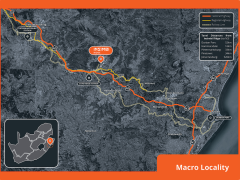
Travelling through Mozambique one is constantly reminded of the legacy of war, floods and government mismanagement. People crippled by land-mines are a common sight in the capital Maputo, while out in the countryside there are warnings not to veer off the road because of the danger of mines. But, the good news is that reconstruction is happening – along with millions of dollars in fresh investment above and beyond the logistics-related spending outlined elsewhere in this feature. Roads, bridges and railway lines are being rebuilt and upgraded. Investments include: Australian company Riversdale Mining announcing plans for a coal mine in the western Mozambican province of Tete by the end of 2010; the resumption of gold mining in the Sofala province; diamond mining in the Save River Basin, graphite mining in the northern province of Cabo Delgado, plans for oil refineries at Nacala in the north and Matutuine in the south; while Sasol has started prospecting for oil off the Mozambican coast; and the government has approved a second bio-ethanol plant. Funds have been freed up with Portugal cancelling Mozambique’s remaining post-independence debt, estimated at US$393.4 million. Mozambique and Portugal have also signed an agreement to fund investments in the Mozambican energy sector. The fund will focus on projects for clean energy. Mozambique is building on the momentum. Exports to other SADC countries remain low, according Industry and Trade Minister, Antonio Fernando. Exports to its neighbours total around US$83 million a year. South Africa is the biggest customer, buying the bulk of the electricity produced by the Cahora Bassa dam, and most of the natural gas produced in the southern province of Inhambane. South Africa is also the biggest supplier to Mozambique, followed by SADC members such as Mauritius, Tanzania, Malawi and Swaziland. Fernando says “the country has the potential to offer much more”. And, just as the private sector is helping revitalise the ports and railway systems, the government will be looking to business to help build the economy. President Armando Guebuza told business people in the town of Milange in the central Province of Zambézia that the government would do all in its power to ensure that the private sector remained a privileged partner in the fight against poverty. “Without the private sector, the country will not defeat poverty,” he said.
Mozambique
Comments | 0
© Now Media. This content is protected by copyright and may not be adapted or republished. If you would like to discuss cooperation opportunities, please contact: editor@freightnews.co.za.