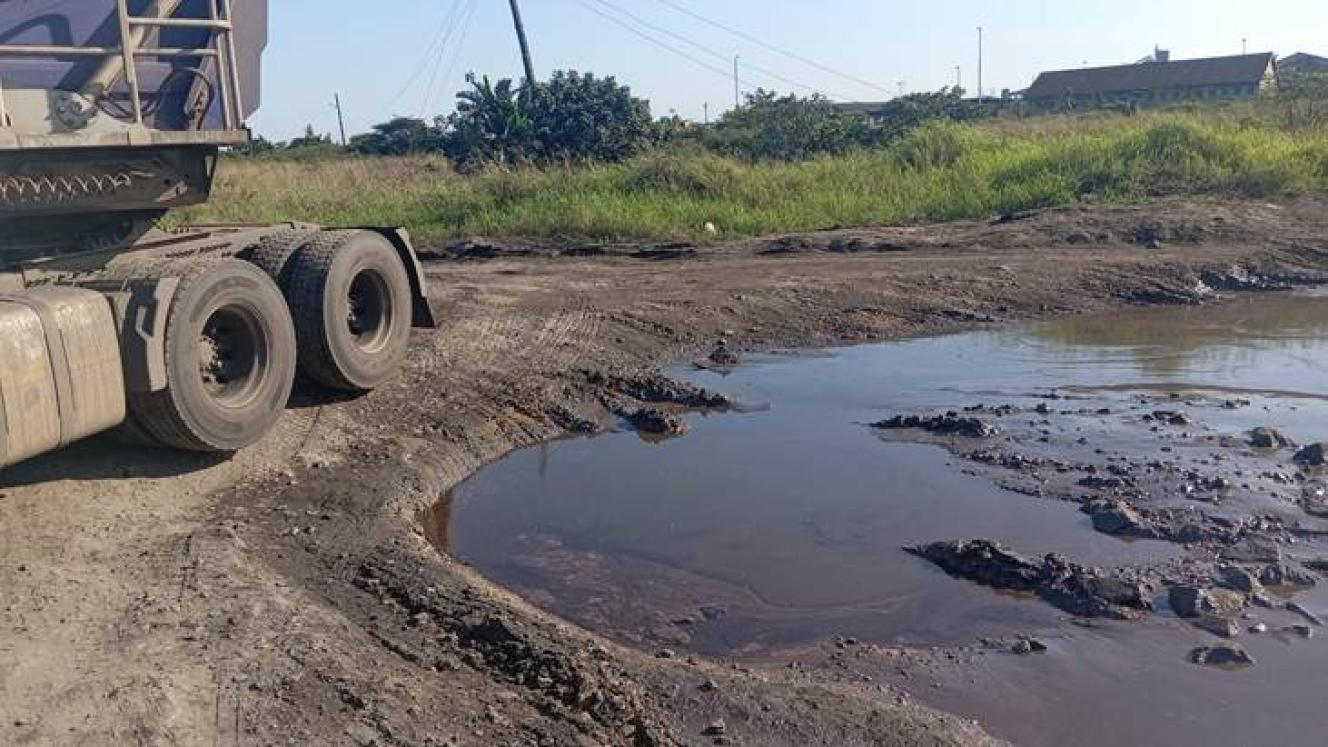
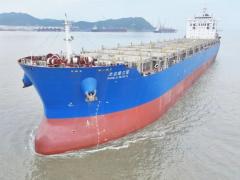
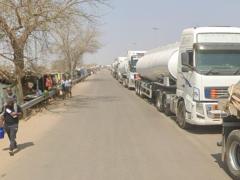
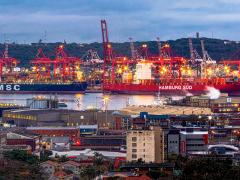
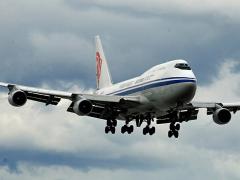
FTW’s annual visit to Mozambique is always interesting and encouraging. Here is a country which was paralysed by a bloody civil war from 1977 to 1992. It is estimated that a million people died in the war, and millions more were displaced. Now, less than a generation later, the country is enjoying one of the highest growth rates in the world. It will be fuelled (literally) by huge coal, gas and oil deposits. Mozambique’s agricultural sector is also being revitalised. For the freight industry this is all good news. It is pioneering work in many cases as much of the infrastructure has not been modernised since the war, or is regularly washed away by the annual f loods and storms. Road accidents are also a daily occurrence. According to the latest WHO data published in April 2011 Road Traffic Accidents Deaths in Mozambique reached 6,670 or 2.16% of total deaths. The age adjusted death rate of 38.24 per 100,000 of population puts Mozambique at number 10 in the world rankings of the most dangerous place to drive. This has implications for trucking and courier companies as it has wide-ranging implications, not the least of which is high insurance costs. To that must be added the loss of equipment. Trucks and trailers take time to replace, and that represents lost revenue. But, there are even greater dangers facing the long distance drivers than the roads. HIV/Aids and malaria are the two leading causes of death. The country has the sixthhighest percentage of malariarelated fatalities, according to the World Health Organisation. For the logistics industry this means that staff at all levels have to be made aware of the dangers and given prophylactics and preventative measures such as mosquito nets over their beds. Drivers are particularly at risk to both malaria and HIV due to the nature of their work. There are many other factors adding to the cost of doing business in Mozambique. Clearing agents have to deal with mounds of red tape – perhaps the most enduring legacy from the Portuguese rule which started in the early 16th century. The introduction of an electronic system known as the Single Customs Window has helped, but there are still delays at the borders. A hidden cost, which almost everyone refers to in hushed tones, is corruption – one of the factors slowing down the flow of trade. Mozambique’s Central Office for the Fight against Corruption (GCCC) has warned that the number of state employees accused of acts of corruption is on the rise. Speaking at the opening session of the GCCC in August 2013, the organisation’s Ana Maria Gemo, said that 599 cases against members of the public administration were processed by her office between January and June of this year. This compares with a figure of 509 cases in the same period of 2012 - a rise of almost 18%. Then there are the costs of staff, as well as office and residential accommodation. All are in short supply and therefore expensive. All that aside, every year we find new logistics companies have set up shop, while others are expanding. It is the region’s land of opportunity. The business community is much more positive than those in South Africa, and they are hard at work planning how to manage expansion instead of merely surviving. And, of course, the prawns are still good – although we prefer the cold crab served as a starter in Beira. INSERT & CAPTION The country is enjoying one of the highest growth rates in the world. – Ed Richardson CAPTION Pemba Airport
Mozambique is on the boil
Comments | 0
© Now Media. This content is protected by copyright and may not be adapted or republished. If you would like to discuss cooperation opportunities, please contact: editor@freightnews.co.za.