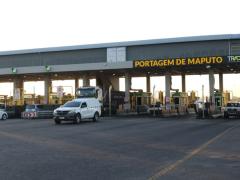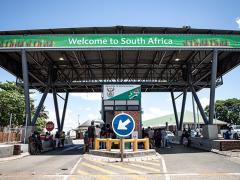
Border delays due to inspections and holdups by the South African Revenue Service could be reduced.
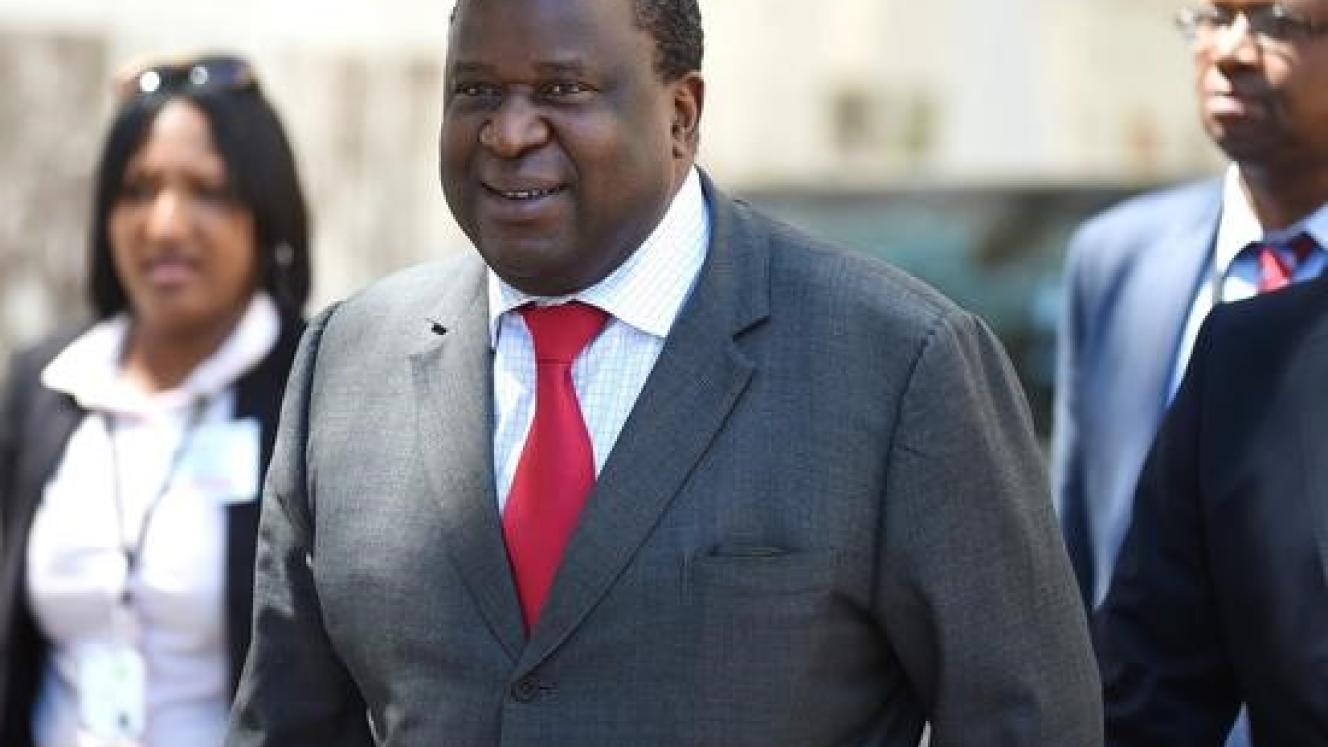
“To promote investment and reduce unnecessary burdensome approvals by budget day, the South African Reserve Bank will propose a more modern, transparent and risk‐based approvals framework for cross‐border flows,” finance minister Tito Mboweni said in his 2019 medium term budget speech.
“To support regional integration, the HoldCo regime will be extended to all banks,” he added.
Since 2013 Treasury has allowed JSE-listed companies to establish a single “HoldCo” to hold their African and offshore operations.
This HoldCo is not subject to foreign exchange restrictions.
South African banks can hold up to 25% of the value of liabilities in foreign assets, which encourages diversification and supports the flow of capital for investment in Africa, according to a 2013 budget review annexure.
Certain private equity funds mandated to invest in Africa have been allowed to invest in the continent without further exchange control restrictions, subject to reporting requirements.
Rules on active currency hedging, loops, and mortgages for individuals living and working in South Africa will also be reformed to promote investment, said Mboweni.
But, Sars will still be doing its best to collect funds in order to help the government reduce the country’s burgeoning debt burden.
“We will take stronger measures to fight illegitimate cross‐border flows and tax evasion,” he said.
Measures being taken by the government to support manufacturing and export growth include the upgrading of industrial parks and the licensing of more broadband spectrum by Icasa.
Mboweni highlighted two logistics and trade-related “growth ingredients” contained in his department’s paper: “Economic transformation, inclusive growth, and competitiveness: Towards an Economic Strategy for South Africa”.
They are: “a trade regime which promotes open and beneficial trade, particularly with the rest of the African continent” and “opening up ‘network industries,’ that is transport, logistics and telecommunications”.
Mboweni said that the over 800 responses to the document received so far included “ideas on the digital economy, streamlining applications for new ports, and opening up the railways to force heavy freight off our roads, ease congestion and improve safety”.