Ongoing declines in
manufacturing output –
coupled with a slump in the
ABSA Purchasing Managers’
Index – have reignited
de-industrialisation
concerns, prompting the
Democratic Alliance (DA)
to request hearings into the
state of the manufacturing
industry.
Last week, data from
Statistics South Africa
revealed that manufacturing
was down 0.8% year-onyear
(y/y) between May
2016 and May 2017 and
down 0.3% from April 2017
to May 2017. This was a
continuation of a decline in
manufacturing from last
month’s y/y figures of 4.9%
between April 2016 and
April 2017.
“By these figures, we now
know manufacturing is in a
recession with no clear way
out from the government,”
said DA shadow minister
of trade and industry,
Dean Macpherson. He has
written to the chairperson
of the portfolio committee
on trade and industry,
Joan Fubbs, to request
that hearings into the
“manufacturing crisis” are
prioritised.
He said the DA believed
that trade and industry
minister Rob Davies needed
to be more proactive in
addressing the situation.
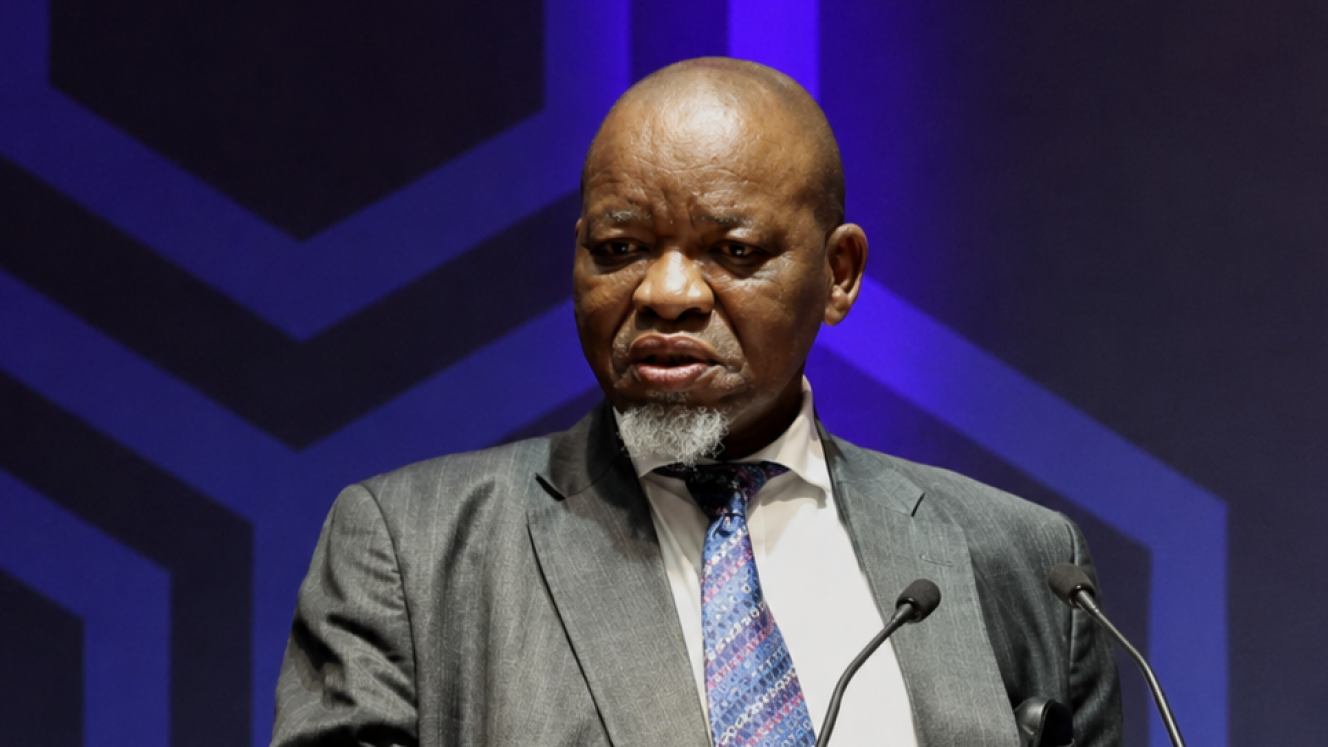
Macpherson’s concern was
echoed by the chairperson
of the Manufacturing
Circle, Andre de Ruyter,
who told FTW that without
a virtuous cycle of investor
and consumer confidence,
supported by stable policies,
South Africa would continue
to deindustrialise.
He pointed to studies
that had shown the
“serious consequences”
of de-industrialisation,
highlighting that it reduced
economic growth potential.
“History teaches that a
strong economy begins with
a viable manufacturing
base,” De Ruyter said.
According to him,
government has been
supportive but he
questioned whether the
efforts were sufficiently well
coordinated, noting that
with so many government
departments focused on
providing assistance, help
was often very fragmented.
Policy interventions could
include the deployment of
regulatory levers deployed
to support manufacturing,
rather than simply
relying on Competition
Commission enquiries, as
well as a manufacturing
competitiveness
enhancement
programme
across all sectors
of industry.
“Furthermore,
there is still a
generally slow
response to
competition
from imports
and often
intervention
in this regard
comes far too
late,” De Ruyter added.
Speaking at the
Manufacturing Indaba
in Johannesburg earlier
this month, Davies
acknowledged the “major
challenges” faced by
industrialists in South
Africa, pointing out that
“deep industrialisation”
depended on the country
targeting larger export
markets.
He said that while
there had been no actual
withdrawals by foreign
investors, investor
confidence had taken a
knock and many were
placing further investments
on hold.
Davies added that
government
was “aware”
that it
needed
to build
investor
confidence
and create
stronger
policy
certainty.
Stanlib
chief
economist
Kevin
Lings pointed out that
manufacturing activity in
the country was still below
levels reported before the
global financial crisis in
2008.
The sector has had an
annual growth of -0.3%
over the past 12 months,
and was still in recession,
with manufacturing
production expected to
decline 1% in 2017.
History teaches that
a strong economy
begins with a viable
manufacturing base.
–ANDRE DE RUYTER