With artificial intelligence (AI) and robotics set to revolutionise the workplace as we know it – as computer systems perform tasks that normally require human intelligence - uncertainties need to be addressed within labour and employment laws geared to the technological developments.
That’s according to a new report by the International Bar Association Global Employment Institute titled Artificial Intelligence and Robotics and Their Impact on the Workplace.
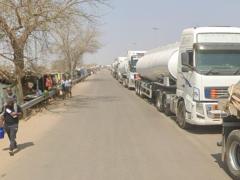
Since motor vehicles will be driven by fully automated systems in the future, it is conceivable that jobs such as truck, taxi or forklift drivers will be eliminated in the long run. The report states there is a 90% likelihood of this happening, with developers of connected trucks commenting: “Technical changes that will take place in the next ten years will be more dramatic than the technical advancements over the last 50 or 60 years.” The report points to cost savings of up to 28% as logistics becomes cheaper, more reliable and more flexible. At the fully automated stage, costs will be further reduced as the requirement for rest breaks is eliminated, illness or inebriation is no longer a risk factor, and accidents are minimised.
Nevertheless, the report examines the issue of liability when failure does occur, concluding that: “The liability issues may become an insurmountable obstacle to the introduction of fully automated driving.” Currently, in most cases driver responsibility is assumed, with the manufacturer liable only for product defects, and vehicle owners subject to special owner's liability, particularly in European countries. However, if a vehicle is fully automated, with a human driver no longer actively steering, the question arises as to whether damage can still be attributed to the driver or the owner of the car, or whether only the manufacturer of the system can be held liable.
The report's authors examine whether rules applicable to other automated areas, such as aviation, can be applied, but reason that it is not possible to apply the liability rules from other automated areas to automated driving, and that international liability standards with clear rules are needed.
Pascale Lagesse, co-chair of the IBA GEI, commented: “States as lawmakers will have to be bold in decision, determining what jobs should be performed exclusively by humans, for example caring for babies. Perhaps they will need to introduce human quotas in different sectors, taxing companies where machines are used and maybe introducing a "made by humans" label for consumer choice.”