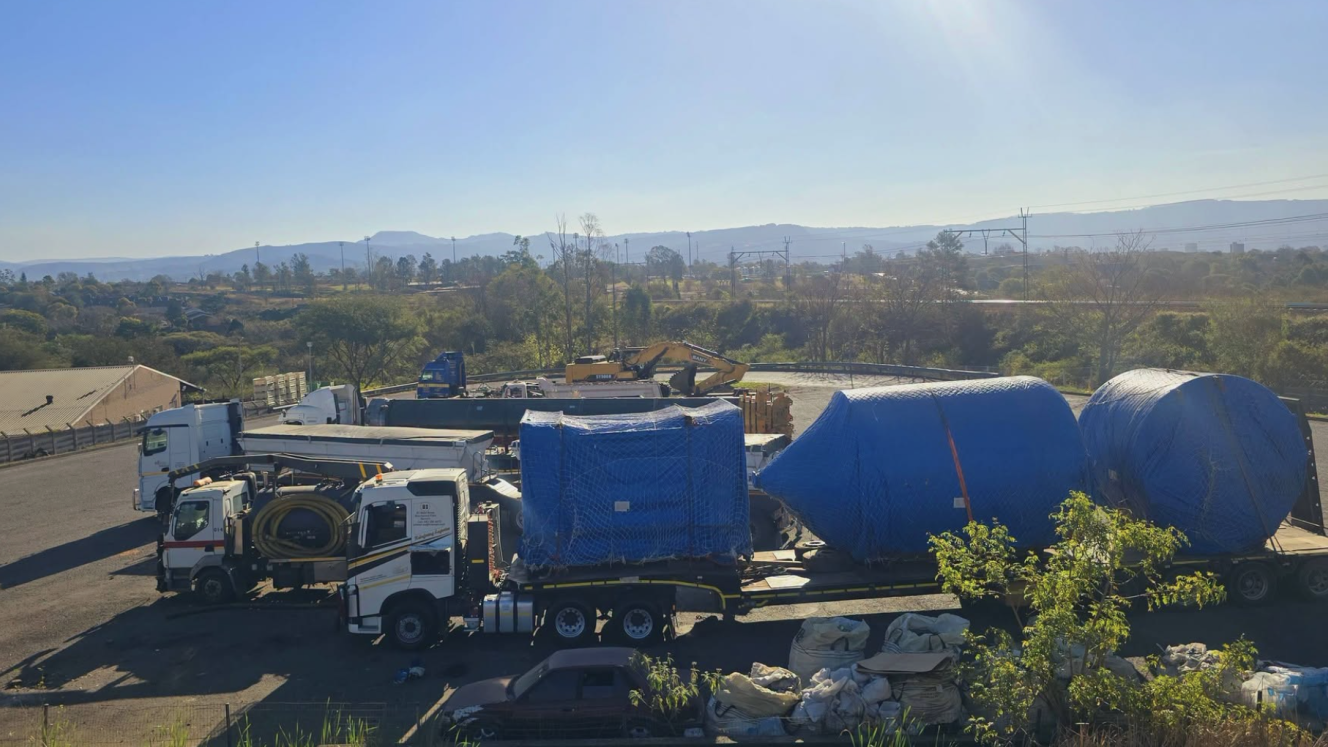
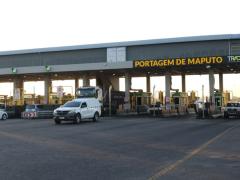
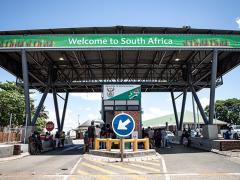
Fears have been raised over the impact on trade of last week’s political unrest in Lesotho. The country’s three main political parties have agreed to stay in a ruling coalition following emergency talks over the weekend, at least temporarily cooling a political crisis that many feared would lead to a coup. The World Bank, in its World Development Indicators for 2014, forecast a 4.1% gross domestic product (GDP) growth for Lesotho for 2014, with a marginal 4.4% increase projected for 2015. The Bank warns however that political unrest could weaken growth. The landlocked country is “heavily dependent” on South Africa and its Southern African Customs Union (Sacu) partners for trade. 95.2% of the country’s imports come from South Africa and it exports 48.9% of its goods to the country, according to the World Trade Organisation (WTO). Though there is a freight rail link between South Africa and Lesotho, the majority of goods are transported by road via the main Maseru Bridge border (pictured here). News reports, including by the Mail & Guardian and Al Jazeera news, speculate however that with Lesotho’s parliament set to be suspended until February 2015, and elections not until 2017, there are doubts about how long the shaky coalition will hold. The March 1998 riots, following parliamentary elections, had a disastrous effect on the country’s economy, destroying nearly 80% of commercial infrastructure in the capital of Maseru, according to Wikipedia. CAPTION Lesotho border
Lesotho trade under threat?
Comments | 0
© Now Media. This content is protected by copyright and may not be adapted or republished. If you would like to discuss cooperation opportunities, please contact: editor@freightnews.co.za.