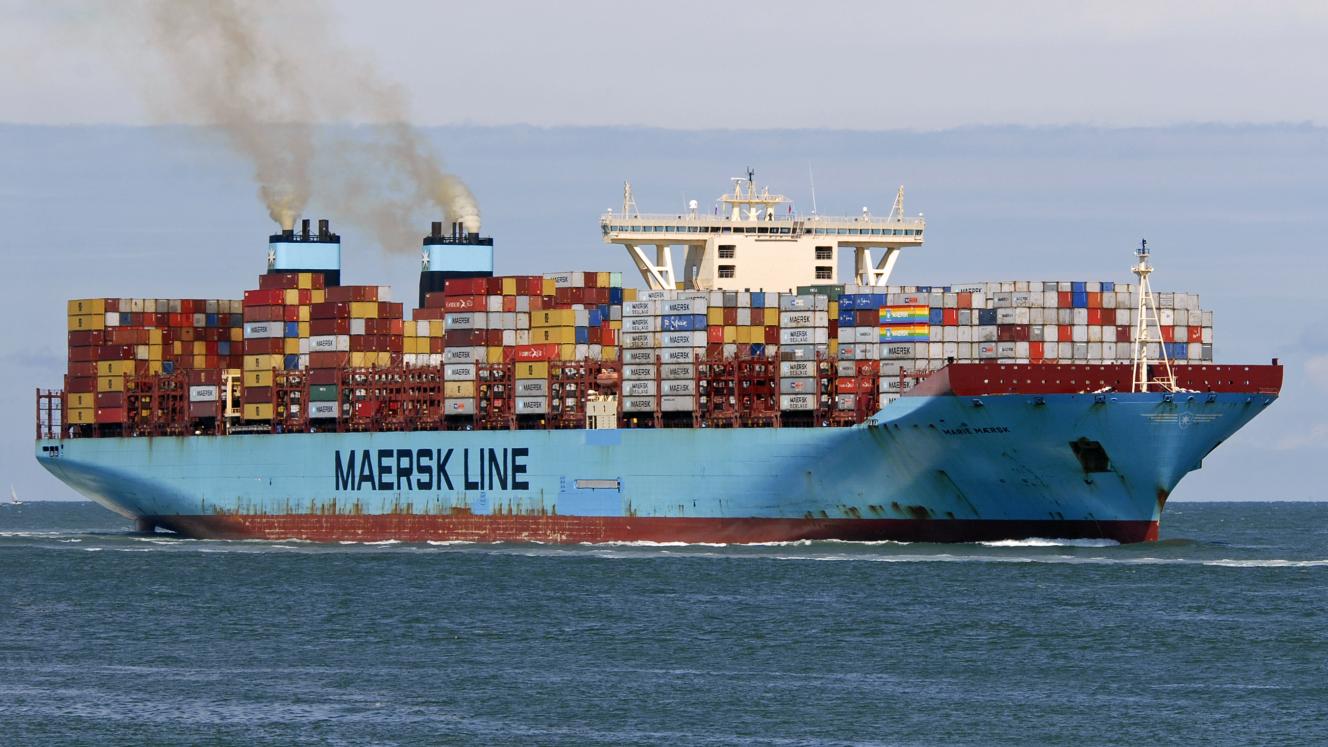
Despite being widely expected, the approval by the Ports Regulator of South Africa of a 7.57% weighted average port tariff increase for Transnet National Ports Authority (TNPA) has drawn mixed reactions across the maritime and logistics sector. While some experts have expressed disappointment, others say the adjustment is not unreasonable if matched by improved service delivery and investment in port operations.
“The decision is not unexpected but it is disappointing for cargo owners and shipping lines. Marine services face an increase of 9.6%, while other cargo owners are looking at tariff hikes more than double the current inflation rate,” said industry specialist Dave Watts.
“The increase will inevitably feed into inflation throughout the economy. It is not a massive amount in absolute terms, but it will certainly not assist in bringing inflation down and that, from an economic perspective, is quite disappointing.”
This sentiment was echoed by Peter Besnard, CEO of the South African Association of Ship Operators and Agents (Saasoa), who said that South Africa needed to respond to rising cost pressures by revisiting tariff structures, improving transparency and reducing hidden or indirect charges.
Speaking to Freight News, he said industry continued to be hampered by persistent operational and maintenance failures.
“We are trying to move freight efficiently, yet the ports cannot consistently maintain critical equipment,” he said, pointing to repeated breakdowns of pilot boats and helicopters. Using the aviation unit as an example, he said it remained understaffed, with experienced personnel being poached by other countries, leaving significant capability gaps.
According to Besnard, the situation will not improve without proper investment. “You have to spend money to improve reliability, but the funds that are borrowed must also be repaid, which complicates long-term financial planning,” he said.
Terry Gale, chairman of the Cape Chamber Port Liaison Forum (PLF), agreed that the announcement was not good news, especially given that inflation is currently sitting between 3% and 3.5%.
However, he said the 7.5% increase should not come as a surprise. “If you look at the bigger picture, it is probably not too bad. We have had relatively minimal increases over the past few years. As long as the sector can see genuine development, improved service levels and meaningful change at the terminals, industry will tolerate the adjustment.”
TNPA had originally asked the regulator to approve a tariff increase of 9.61% for the 2026/27 financial year, with a further 9.61% increase proposed for both 2027/28 and 2028/29.
In its submission to the PRSA, Saasoa argued that the request compared unfavourably to the inflation forecast of 4.09% used in the application, effectively amounting to a real increase of more than 5%.
While cargo volumes are projected to grow only modestly over the period, Saasoa said the increase should nonetheless help mitigate cost pressures rather than result in real tariff escalation. It warned that approving sustained real increases would signal a move away from efficient regulation, where rising volumes should ideally translate into lower real tariffs rather than higher ones.
The National Association of Automobile Manufacturers of South Africa (Naamsa) echoed these concerns in its commentary, saying neither the global nor the South African economic environment could justify such aggressive increases. The association highlighted lagging port performance, ongoing inefficiencies and the uncompetitive nature of operations relative to international markets with which the automotive industry must compete. Naamsa said tariffs should, in fact, be reduced to strengthen export competitiveness and improve the country’s standing in global supply chains.