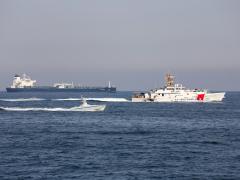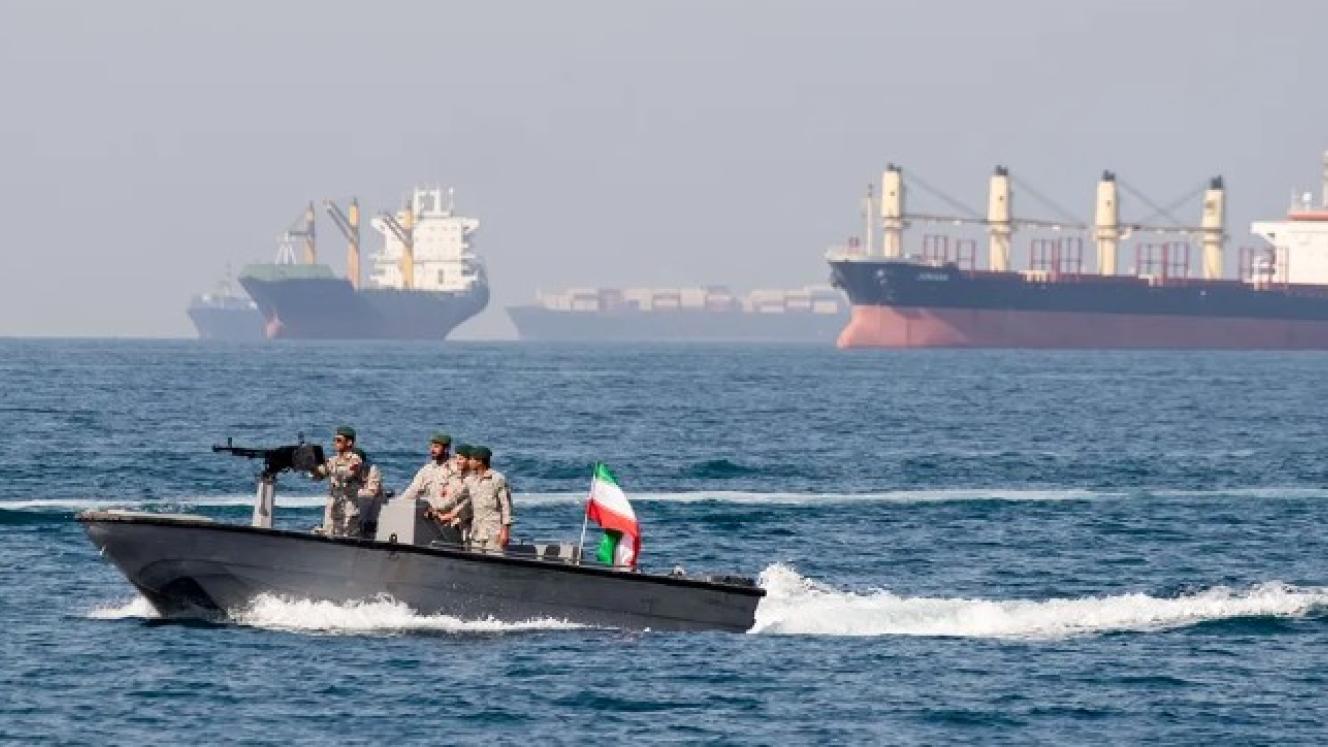
Analysis by Seatrade Maritime has provided a stark, firsthand perspective of the immense dangers faced by commercial tankers transiting the Strait of Hormuz, ocean supply chain professional Süleyman Bal has pointed out.
According to the analysis, about 20 000 seafarers were still stranded in the Persian Gulf by Friday, April 10, with no certainty of leaving anytime soon, following last week’s fragile ceasefire development between the warring countries.
Bal posted that the current situation around the conflict-constricted choke point was far from an isolated incident. “It represents a significant escalation of geopolitical tensions directly impacting the freedom of navigation and safety of life at sea, which are foundational principles of international maritime law.”
Bal stressed that “for ship operators, owners and managers, the implications are profound.
“The immediate concerns include heightened security risks, increased insurance premiums (war risk insurance), potential rerouting of vessels leading to longer transit times and higher fuel consumption and the immense pressure on crew welfare”.
The director of a shipping agency in Istanbul pointed out that operating in a designated war zone necessitated stringent security protocols, potentially including armed guards, which add considerable operational cost and complexity.
“Furthermore, the psychological toll on seafarers navigating these treacherous waters, coupled with the uncertainty of crew changes and repatriation, poses a significant crewing and retention challenge. Companies must prioritise robust contingency planning, clear communication channels and comprehensive support systems for their crews.”
Bal highlighted several “practical takeaways” ship operators should consider, given what has unfolded and will most likely last for some time, starting with the need for re-evaluating and updating voyage risk assessments for all vessels, particularly those with Gulf exposure.
In addition, he said there was a need for strengthening crew welfare programmes, including mental health support and clear communication regarding repatriation, engaging with P&I clubs and insurers to understand evolving coverage and costs, diversifying supply chain strategies where feasible to mitigate reliance on single chokepoints and investing in enhanced vessel security measures and crew training for emergency situations.
He also emphasised the importance of staying informed through reliable maritime intelligence sources.
Given the overwhelming amount of information coming out of the Gulf, Bal said the quality of information ship operators used would enable them to make agile operational decisions at a time of extreme supply chain disruption.