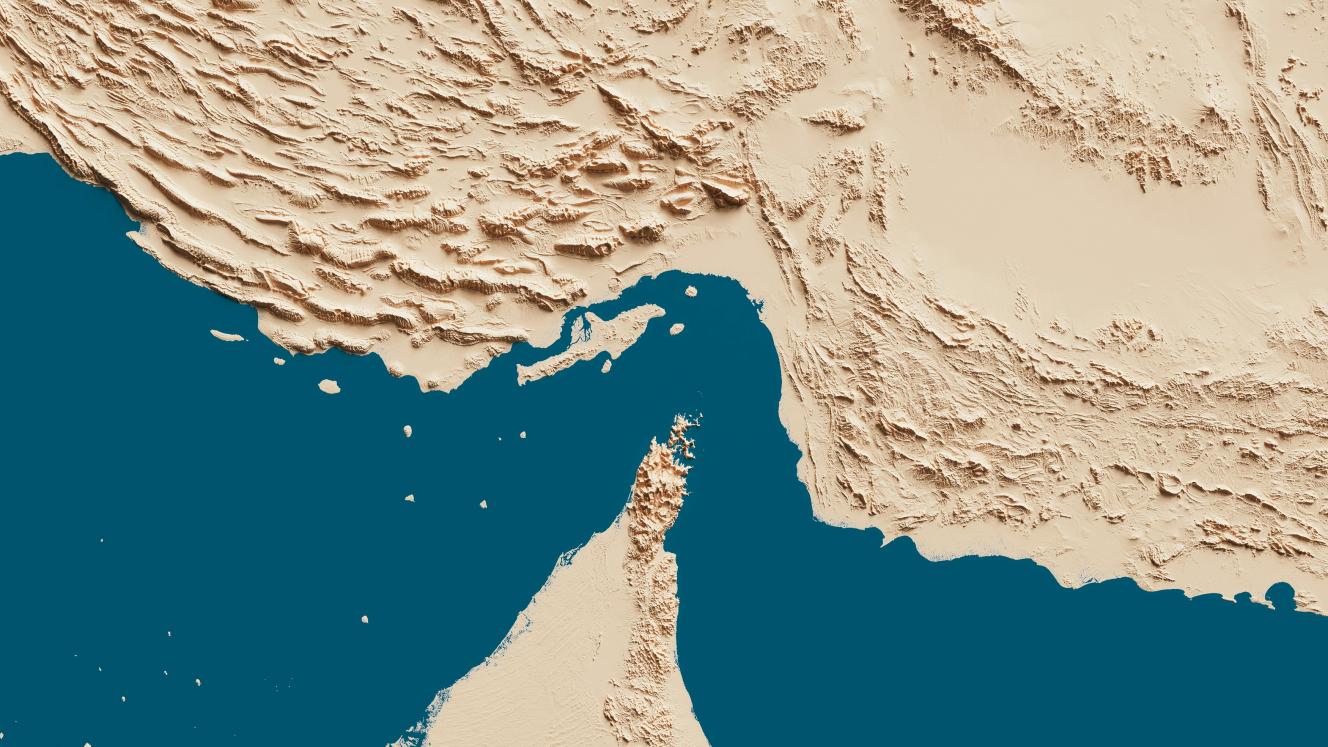
Full normalisation of oil flows through the Strait of Hormuz is now unlikely before January 2027, according to Rystad Energy, which warns that cumulative supply losses from the Middle East conflict could reach nearly two billion barrels by the end of the year.
In its latest market update released on Wednesday (June 10), the energy consultancy said its base-case scenario now pointed to a significantly longer recovery period than previously anticipated, with vessel traffic through the strategic waterway remaining well below pre-conflict levels.
The conflict has already erased around one billion barrels of cumulative crude supply from global markets in the three months since the first shots were fired, says Aditya Saraswat, Middle East and North Africa research director at Rystad Energy. With 11.8 million barrels per day (bpd) shut in across six Gulf producers, Saraswat described the conflict as "the most severe supply disruption in the modern oil era".
Total output across these regional producers has fallen from a pre-conflict baseline of 24.2 million bpd in January 2026 to 12.4 million bpd. "The recovery in Strait of Hormuz vessel movements remains far weaker than diplomatic headlines suggest," Saraswat said.
Traffic collapsed from a February 27 baseline of about 120 vessels per day to between five and 10 vessels per day during March. "Even after ceasefires and multiple rounds of talks, April and May transits have largely remained below 20% of pre-conflict levels.
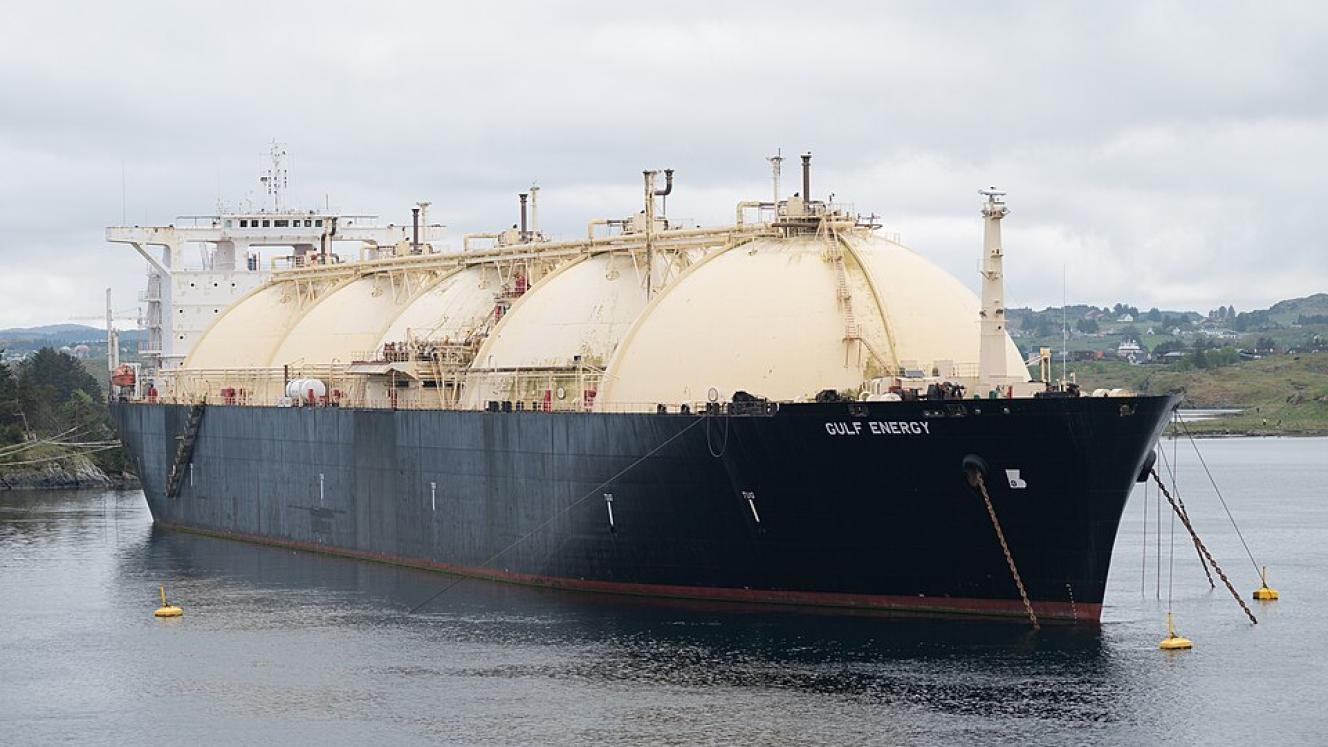
"LNG transit has effectively disappeared, from around five vessels per day before the conflict to near zero, keeping Qatar and other Gulf LNG exporters fully exposed." He added that crude oil and oil-product tanker traffic had also failed to recover, with the pre-conflict run rate of nearly 30 tankers per day reduced to only a handful on most days.
No safe passage
The warning comes as the International Maritime Organization (IMO) has cautioned against continued commercial operations through the volatile waterway.
"I am increasingly concerned by reports that vessels continue to attempt to transit the Strait of Hormuz without any credible security guarantees, despite well-established risks and the fact that seafarers have already been killed, injured and others detained in recent incidents," said IMO Secretary-General Arsenio Dominguez.
"My primary concern is for the safety and lives of the seafarers being placed in these situations. They must not be exposed to conditions where the risks are known, significant, and clearly beyond mitigation."
Dominguez said the current situation remained highly volatile and that safe passage could not be considered to exist under current conditions.
He reminded shipowners and charterers that operational targets should never override the safety of seafarers, and stressed that responsibility for voyage planning and risk assessment ultimately rested with shipowners, operators and vessel masters.