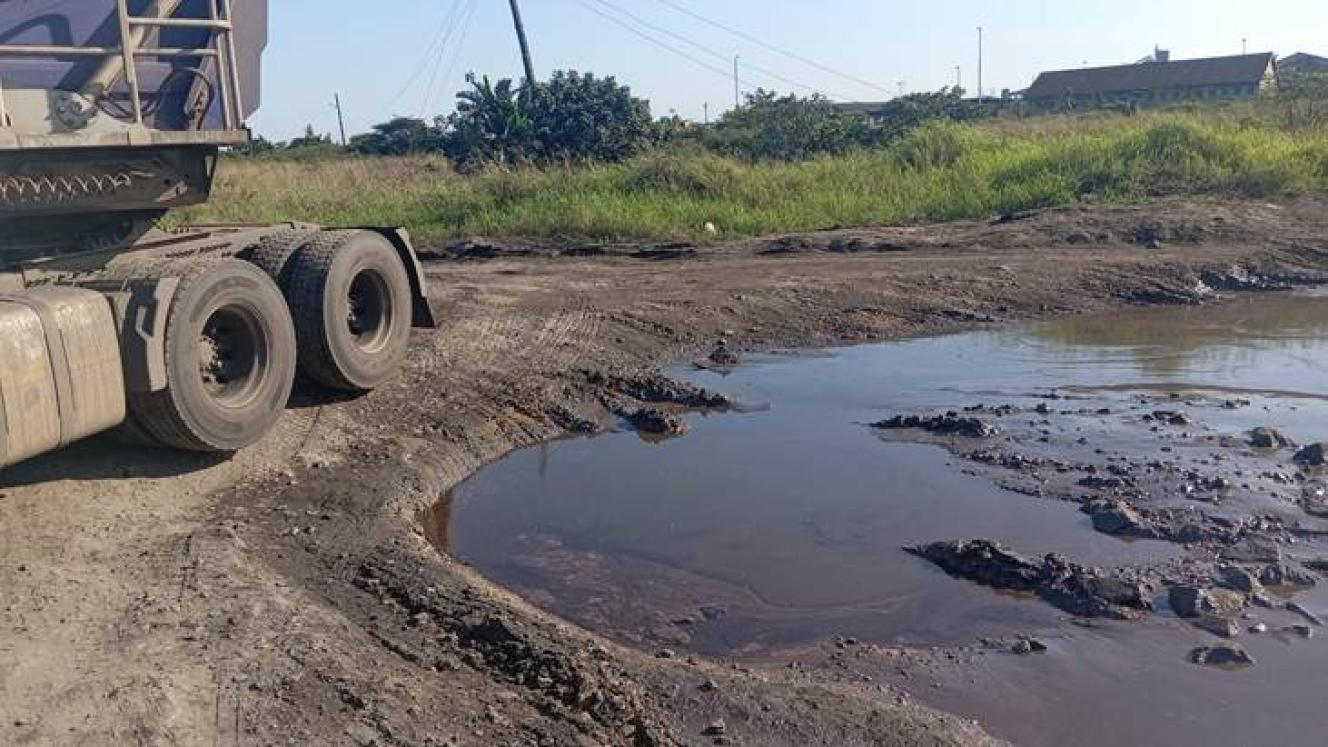
In the battle against the proposal to reduce the permissible axle mass for freight vehicles, the Road Freight Association (RFA) has come out with all its guns blazing. “We have circulated all our complaints to all the stakeholders in the freight industry,” said CEO Sharmini Naidoo. “Truckers, warehousemen, forwarders, shippers, other national road transport associations – everyone.” And this lengthy and detailed list of complaints and its possible impacts on the industry was also presented to the SA press last week at a media briefing by senior RFA management. But the one blank spot, Naidoo told FTW last week, was in organising a meeting with an appropriately senior face at the department of transport (DoT). “We’ve been trying to get a meeting with the DoT for over a week, but to no avail,” she added. It’s all been a bit of a poor reaction from the department, with the RFA still not even in the know about who devised this scheme – which basically states that it wants to reduce single rear axle mass load from 9 000-kilograms to 8 000-kgs to save damage to the already deteriorated secondary road system, according to the DoT. The RFA was able to identify the author of the covering letter of intent correspondence, but he turned out to be only the messenger bearing the bad news – the signatory, not the creator. Other telephone interaction with other DoT staff members eventually led the association to glean that the circulation of the letter was in line with a new project started by the department – entitled the Road Freight Strategy. Naidoo told FTW that a consultant (whom the DoT refuse to identify) had been appointed. “This,” she added, “involved the activation of a committee to look at relieving/reducing the load on the secondary network and revitalising the (rail) branch lines.” The proposal to reduce single rear axle mass load was explained as being because of “the urgent need by treasury to look into the deteriorating network”, the RFA was told. “They added that no funds are available to continually sustain repair and research,” Naidoo said, “and this shows that the network has a fiveyear lifespan left before collapse. The DoT has been tasked to engage Transnet on this issue to address the funding shortfall (for road repair/maintenance).” While there was some clarification by DoT contacts of a couple of other poorly defined conditions in the departmental notice, nothing official has been received from the DoT. “We have confirmed that ‘secondary network’ referred to all public roads not proclaimed as national roads – or those identified as part of the primary network,” said Naidoo. The RFA also found that there was no intention to reduce axle masses on passenger-carrying vehicles on these routes from their current permissible mass of 10 200-kg on rear axles. Several questions still remain unanswered, said Naidoo. However, DoT staff members admitted to Naidoo that the notice was “badly compiled”, did not deal with all the issues, and that it was “premature” in terms of the project timeline at DoT.
Hauliers want clarity on DoT proposal
Comments | 0
© Now Media. This content is protected by copyright and may not be adapted or republished. If you would like to discuss cooperation opportunities, please contact: editor@freightnews.co.za.