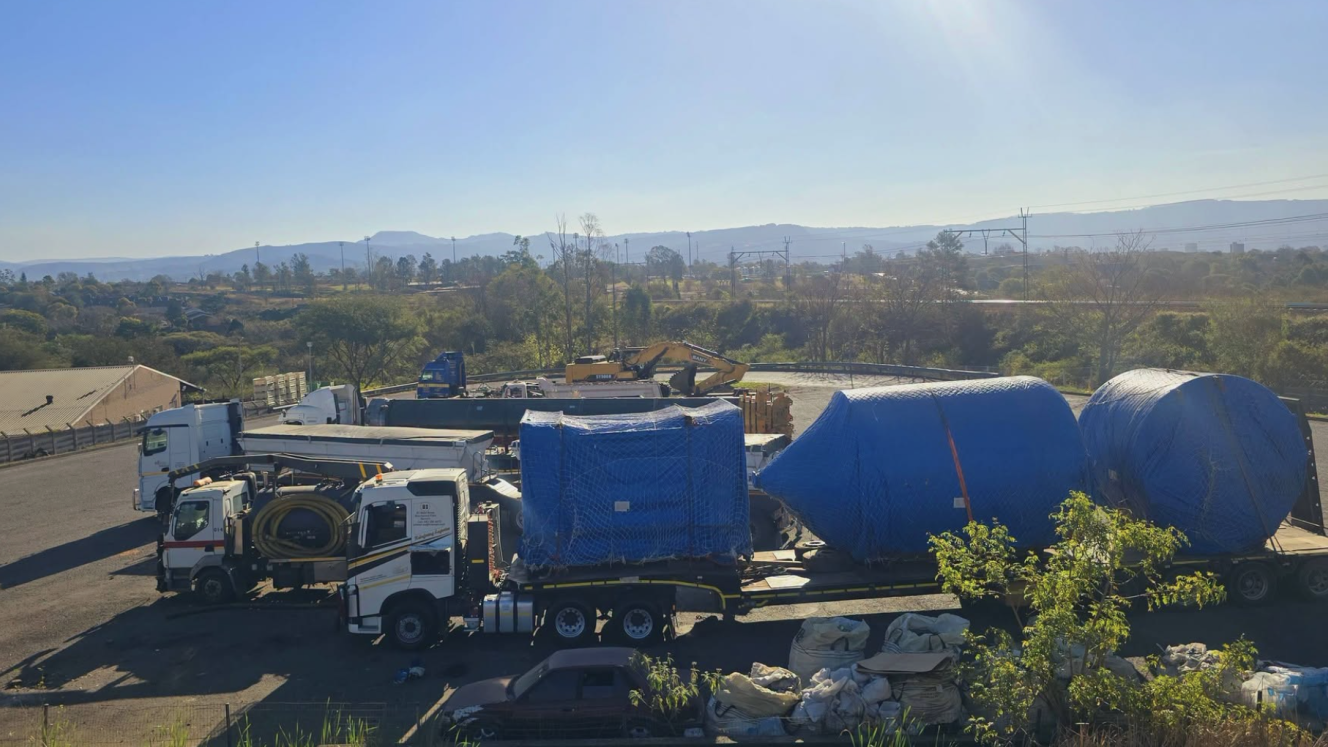
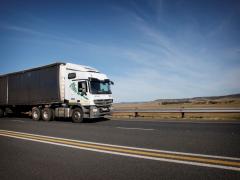
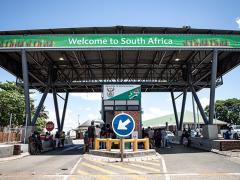
MBABANE – Swaziland’s freight transport companies are feeling the effects of the declining fortunes of two major industries, mining and textiles. Mining has now been reduced to the export of coal via rail to SA. This month saw the end of the excavation and transport of iron ore trailings from Ngwenya mine near Oshoek, the primary border post with SA. The ore was moved in the opposite direction to Mozambique by road and rail. A drop in the price of iron prompted the mining firm Salgaocar Swaziland to suspend operations. With debts of R42 million, the company has been placed under provisional judicial management. R15m is owed to Swaziland Railway. The iron ore was transported by truck to the rail head in Mpaka, and from there by train to Maputo for export overseas. Swaziland Railway has a contract to transport ore through 2016, and filed a suit to get its money prior to Salgaocar’s liquidation. “(Salgaocar) was to pay (Swaziland Railway) an access fee of R43.60 per ton of iron ore per kilometre transported to Maputo and would be obliged to pay within 30 days of the presentation of the invoice,” Swaziland Railway stated in its court papers. Local road transport companies contracted to carry ore to Mpaka are also reportedly owed for months of unpaid services. While the mining firm plans to restart operations when the price of iron ore rises, the fate of the country’s textile firms depends on government taking steps to ensure a return of US trade benefits under the African Growth and Opportunities Act (Agoa). Swaziland was removed from the list of Agoa participating countries in May 2014 following years of government inaction on the amendment of labour laws inconsistent with International Labour Organisation (ILO) regulations. Agoa created Swaziland’s garment industry, which was the only business to export to the US via the trade initiative. CAPTION Textile exports to US on hold.
Hauliers' loads dry up
Comments | 0
© Now Media. This content is protected by copyright and may not be adapted or republished. If you would like to discuss cooperation opportunities, please contact: editor@freightnews.co.za.