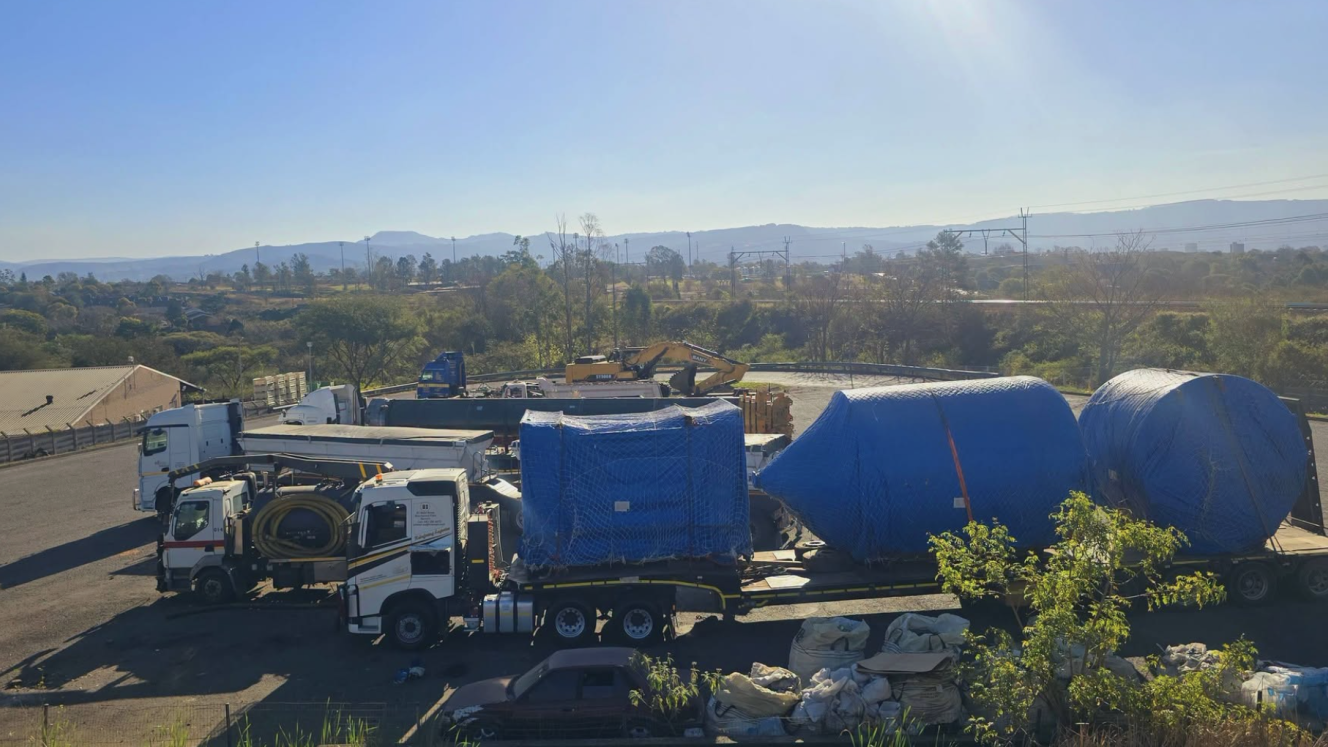
Inadequate focus on
export logistics has
been identified as a
significant barrier to
export growth.
Currently,
southern
Africa’s
logistics
infrastructure
is heavily
geared towards
imports
and there is
not enough
focus on
streamlining
the entire
supply chain
to ensure
exported goods
get to the market quickly, in
the view of Andre Snyders,
sector research analyst at
Standard Bank, who pointed
out that logistics for exports
was often more complex
as it involved a number of
additional steps.
“With increased global
and regional
competition
in the
marketplace,
speed to
market is
essential.
But the
infrastructural
and logistical
challenges
– delays at
border posts,
frequent stops
by transport
authorities,
badly damaged
roads, amongst others – can
seriously hamper that,” he
said.
Furthermore,
manufacturers – especially
the small, medium and
micro enterprise (SMME)
sector – do not always
understand logistics supply
chain complexities. “A lack of
information when designing
market strategies is a
major constraint,” Snyders
pointed out.
Chris Beyers, co-CEO of
The South African Capital
Equipment Export Council
(SACEEC), agreed, noting
his organisation was
currently re-examining
regional value chains
in the sectors it served
and benchmarking them
against global standards.
“For example, we’ve
identified a need to
reclaim and develop
new market share for
Gauteng-based original
equipment manufacturers
(OEMs) into the Africa
market, predominantly
the Southern African
Development Community
(SADC) countries, and
realise we need to have a
stronger presence closer to
our export target markets,”
he said.
According to Beyers,
this strategy will kick off
with a marketing, sales
and after-sales service
and repair hub for South
African companies within
the Zambian Copperbelt.
“Good infrastructure
also encourages investment
from overseas, with
international companies
carefully assessing
whether an inefficient
infrastructure will damage
their bottom line,” he
commented.
With increased
global and regional
competition in
the marketplace,
speed to market is
essential.
– Andre Snyders