South Africa’s dairy industry has warned that inconsistent application of foot-and-mouth disease (FMD) control measures is threatening exports, even as government intensifies its national vaccination campaign.
Clover SA said in a statement on Friday that current eradication measures for dairy products were “inconsistent, non-standardised and exceed international standards”, placing the sector at significant risk.
The company said export permits and veterinary attestations were being applied unevenly across provinces, while South Africa was deferring to importing countries that required local approval first, creating what it described as a regulatory deadlock.
“This impasse is effectively closing export markets and placing significant strain on the broader dairy value chain,” the company said.
“FMD is a national disaster which requires strong FMD eradication measures. However, these are being wrongly conflated with dairy processing standards. This is shutting down exports of products that are scientifically safe for human consumption,” Clover CEO, Johann Vorster, said.
He pointed out that the World Organization for Animal Health (WOAH) provided science‑based standards for FMD control. These standards confirm ultra-high temperature (UHT) treated dairy products are safe for trade and should not require FMD‑related conditions or certification.
Non‑UHT products are also considered safe when subjected to appropriate heat treatment, with limited certification focused on milk status at collection and proper post‑processing separation.
“However, current measures in place mean that vaccinated milk (collected from cows that have been vaccinated) is being incorrectly treated and classified as infected milk, despite the fact that vaccination is a recognised disease‑control tool and not an indicator of infection,” Vorster said.
“This dramatically expands restrictions without any scientific justification whatsoever. The facts are that affected products are scientifically safe for human consumption. The state has simply got it wrong, hasn’t done its homework, or is just bungling the situation. It’s a shambles.
“We have raised the alarm clearly that South Africa’s current approach goes beyond global standards and is imposing unsustainable costs. If unresolved, exports will become unviable, with serious consequences,” he warned.
Vorster said producers and processors were incurring unsustainable additional costs due to forced separation of facilities, transport inefficiencies and product losses.
“If unresolved, the continued application of these measures will render exports unviable, leading to reduced milk collection from producers, job losses across the value chain, loss of export revenue, and increased risks to national food security,” Vorster added.
The industry has called for urgent adoption of a clear national minimum standard aligned with WOAH guidelines, proper distinction between infected, vaccinated and FMD-free milk, and removal of what it terms unnecessary restrictions on UHT products. It is also seeking standardised export certification and interim relief measures.
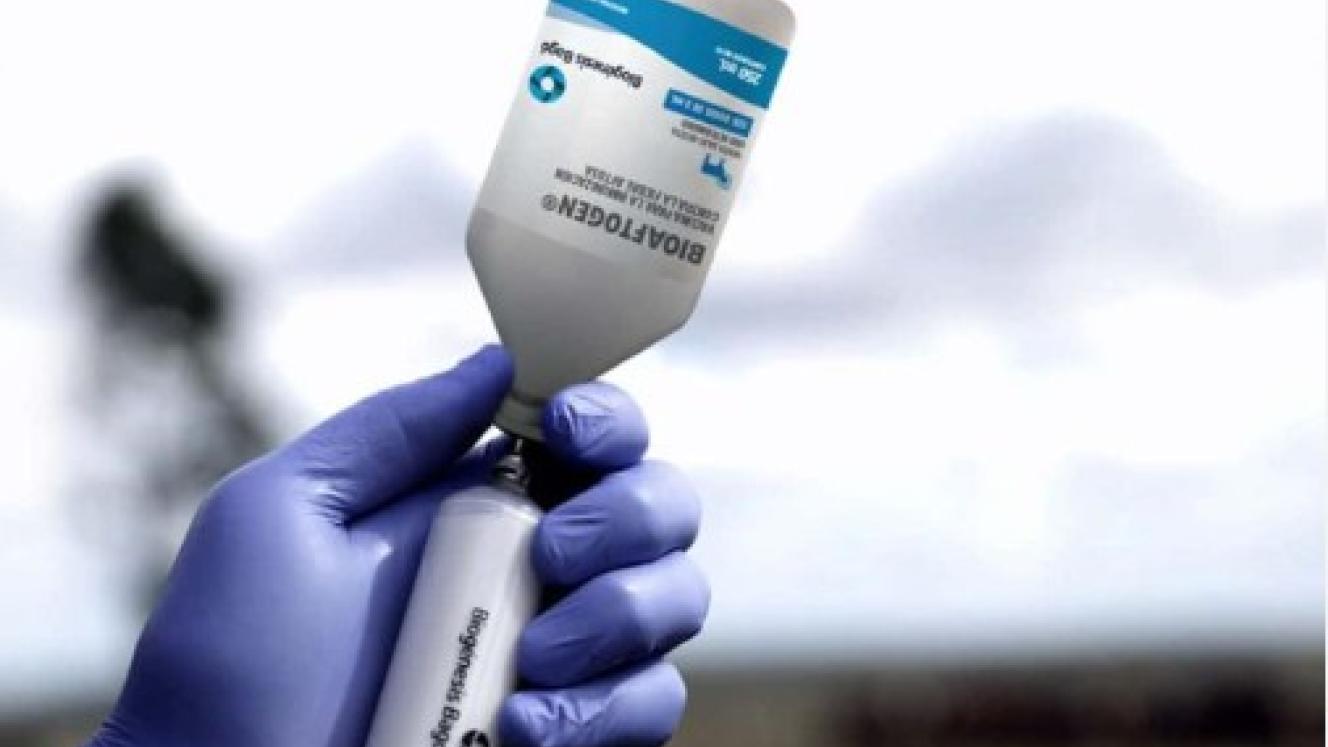
This warning comes as Minister of Agriculture John Steenhuisen prepares to receive the first shipment of one million high-potency FMD vaccines at OR Tambo International Airport on Saturday. The vaccines, sourced from Biogénesis Bagó in Argentina, form the first phase of a broader rollout, with a further five million doses due in March.
Government says vaccinating the national herd of over 14 million cattle forms part of its 10-year eradication strategy aimed at securing FMD-free status with vaccination to reopen lucrative global export markets.