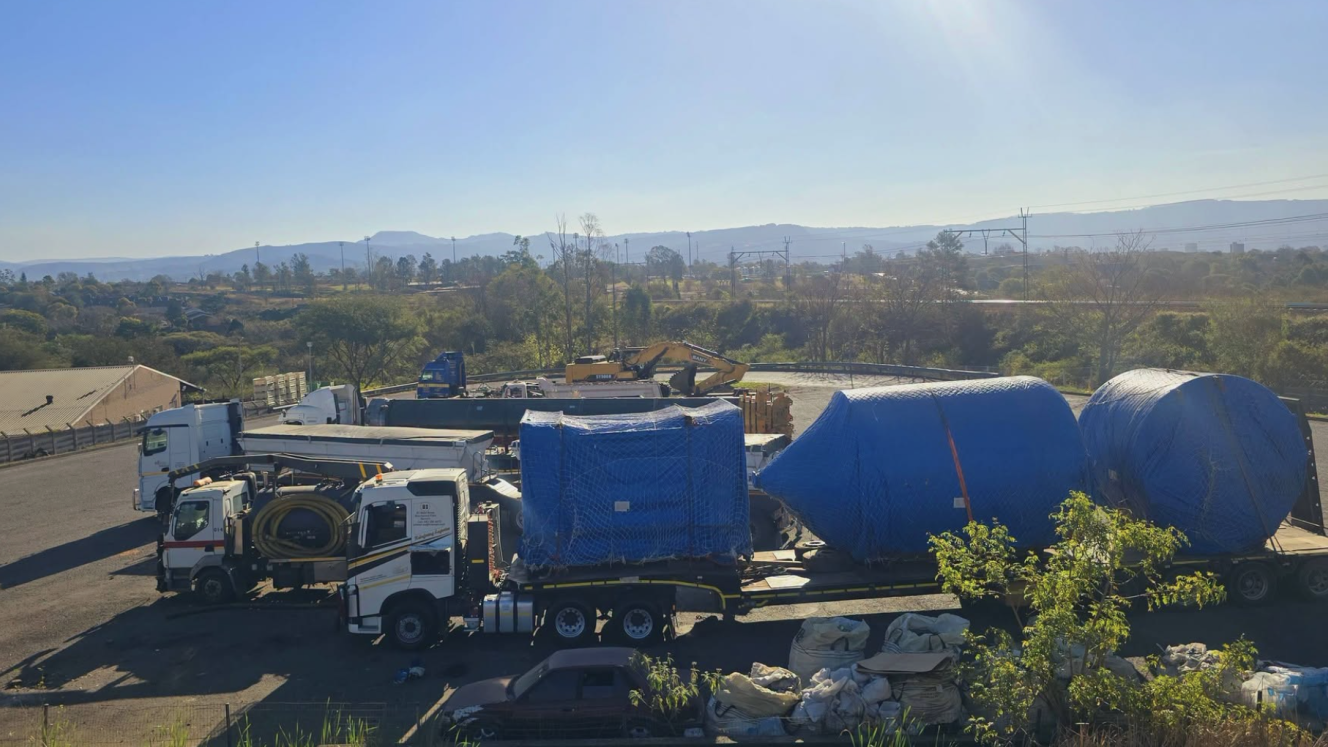
Making provision for unforeseen charges is critical in the project cargo arena – particularly when you’re operating in Africa. “When we do our costing we inform our customers that some costs are provisional,” says Katlego Global Logistics managing director Moses Maboi. “This is not always easy, particularly when you’re working with government institutions, but if you don’t make provision you can price yourself out of business. “You need to cost very carefully and involve the customer – if you have an open relationship then the customer is on board.” Project work is a major part of Katlego’s business, says Maboi. And while last year was a difficult one, it ended on a high note and he’s confident of more of the same for 2014. “Last year we did a lot of work into Sudan, Somalia, Zambia, Kenya, Namibia, DRC and Mozambique and the outlook this year is very positive.” One of the major challenges however, is port congestion – and that’s across the board. The transit time from South Africa to Mombasa, for example, is very short, says Maboi. When the vessel arrives shipping lines have sometimes not finalised documentation, which means you incur costs. “When we move cargo inland the costs are very high. You can pay up to seven times more in transport costs than you would in South Africa because of the risks involved – piracy and the like,” he added. “And you can’t control these costs – you need to visit the countries and negotiate with your service providers to make sure there are no surprises. “It happens that sometimes after you’ve done a project you get a bill for another $18000 – if you don’t have a relationship you end up losing a lot of money.” But despite the challenges, Maboi believes Africa will continue to generate growth for Katlego. INSERT & CAPTION You need to cost very carefully and involve the customer − if you have an open relationship then the customer is on board. – Moses Maboi
Costing is Key
Comments | 0
© Now Media. This content is protected by copyright and may not be adapted or republished. If you would like to discuss cooperation opportunities, please contact: editor@freightnews.co.za.