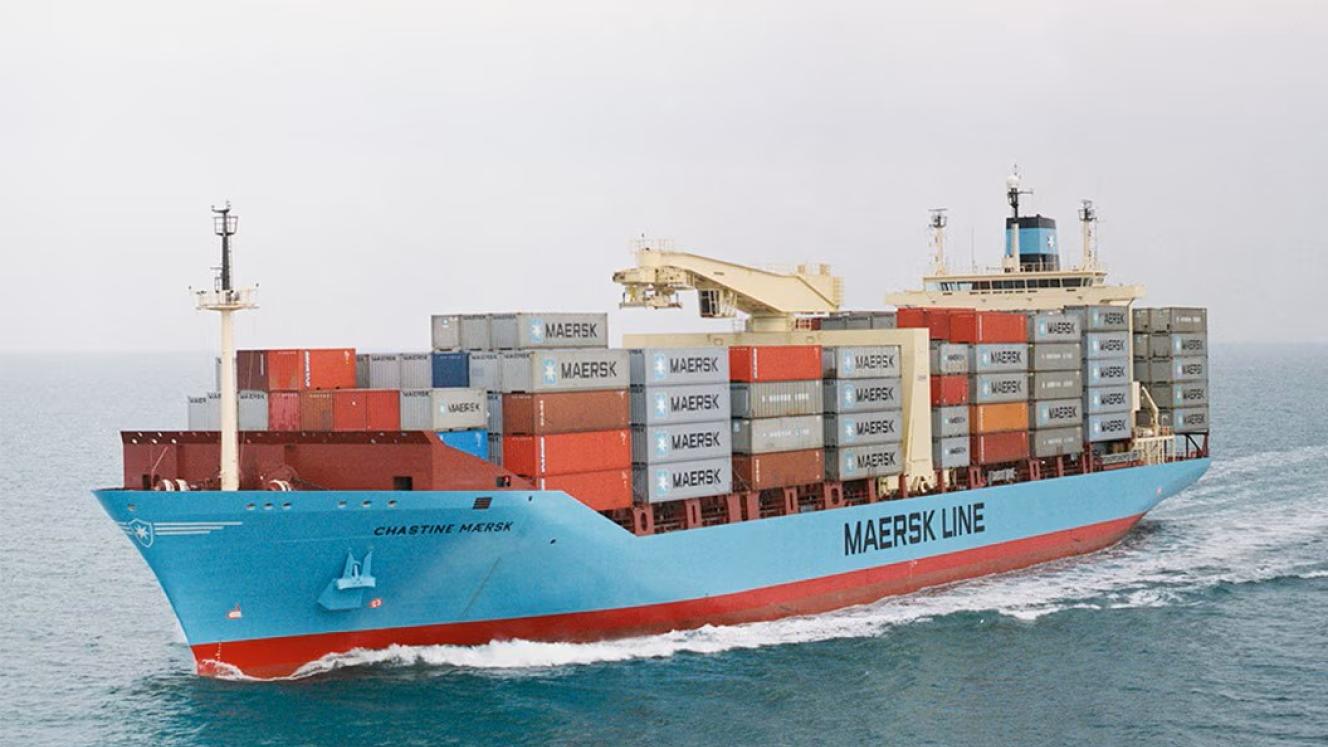
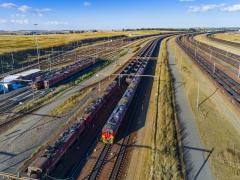
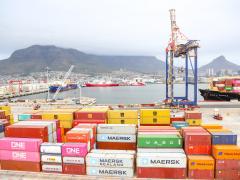
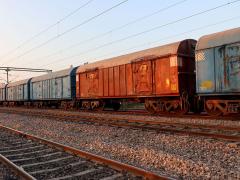
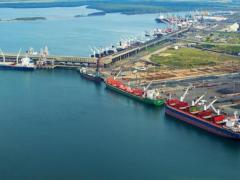
Speed and efficiency give it the edge Ed Richardson THE PORT of Port Elizabeth is becoming one of the preferred ports of call in South Africa. This is being achieved through a combination of speed, efficiency and security, says National Ports Authority spokesperson Lize Hayward. In terms of speed, the port is among the most efficient in Africa. Current speed per gross crane hour is 18 containers, which compares favourably with other African ports. These efficiencies mean that customers based in Gauteng often receive their cargo faster than they would by routing their freight through Durban. "The Port of PE is the first port of call on the SAFARI service and second port of call (after Cape Town) on the SAECS (South African European Container Service) service. "Therefore import Gauteng cargo, such as Nissan and Ford imports from the Far East, are discharged in PE and railed to Pretoria before the ship docks in either Cape Town or Durban," she says. The transit time of a fully loaded container train from PE to Gauteng is 24 hours. "An average of two full train-loads (200 containers) leaves the port for Gauteng every day. "Being a congestion-free port allows it to provide efficient services consistently," says Hayward. This consistency has been recognised in the award of ISO 9002 quality certification to the Port of Port Elizabeth's container terminal - the only container terminal to have this qualification in the country. These efficiencies compensate for the different rail and road rates between Durban and Gauteng and Port Elizabeth and Gauteng, she believes. "PE has an efficiency advantage due to bottlenecks and congestion in the Port of Durban. "As most importers work on the just-in-time system, speed and efficiency regarding their raw materials is critical," she says. Security in the port has been upgraded through the construction of a R600 000 fence around all the terminal areas. "
Congestion-free PE handles 18 boxes an hour
Comments | 0
© Now Media. This content is protected by copyright and may not be adapted or republished. If you would like to discuss cooperation opportunities, please contact: editor@freightnews.co.za.