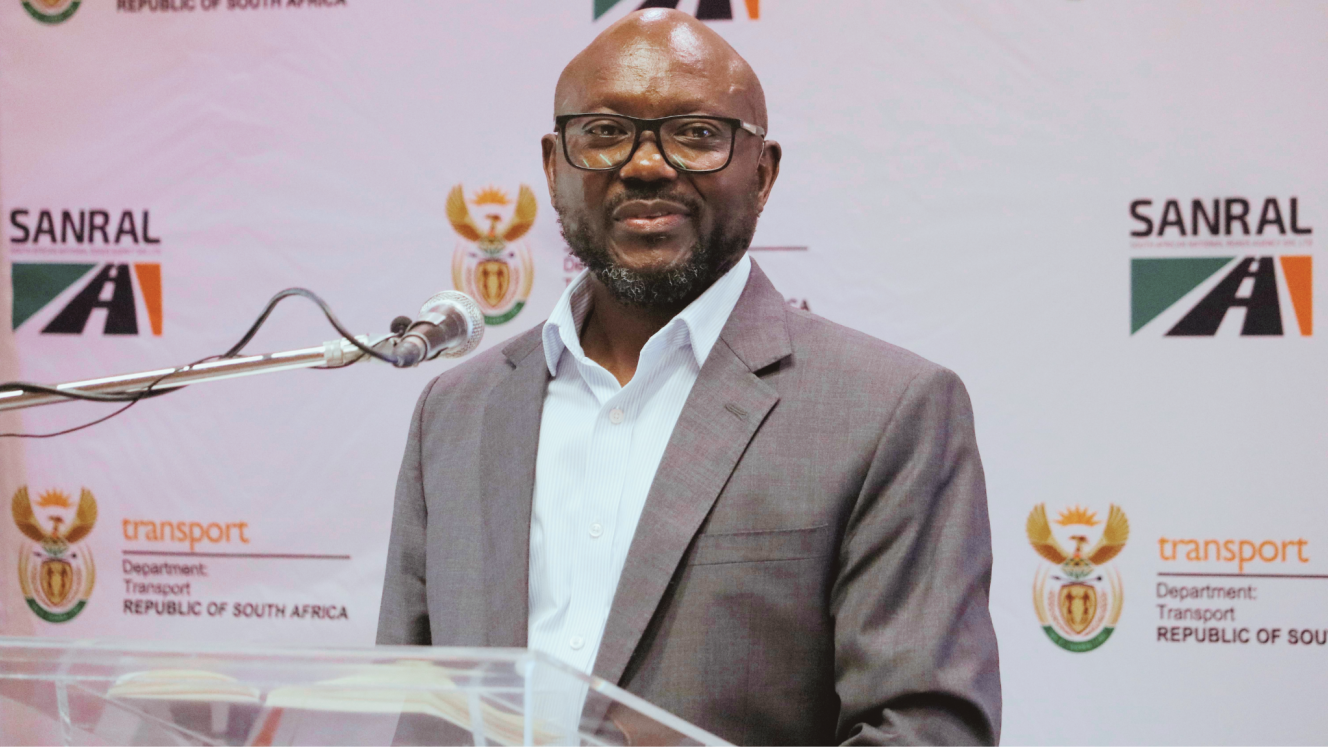
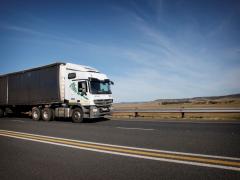
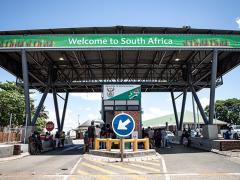
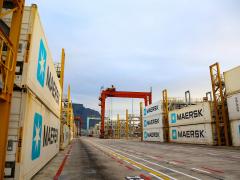
In mining lies Africa’s hope say those in the know. But with large mineral deposits having been identified across the continent, the single biggest impediment to extraction is still the lack of infrastructure. FTW’s Liesl Venter spoke to some industry experts for their insights. FTW: Infrastructure has been a challenge in the mining sector. Is this still the case or are we starting to see an improvement in infrastructure delivery in Africa? Mark Pearson, programme director, TradeMark Southern Africa (TMSA): Infrastructure is still very much a challenge and is getting to be more of a challenge. There are railway lines and ports being upgraded, or being built from new, but even these new investments will not meet the demand in the sector to handle the projected volumes of minerals being exported. In addition, although there are planned major investments in electricity generation and transmission projects, these are also probably not adequate. The challenge will also depend on how the mining and mineral sector will develop in Africa. At present minerals are largely exported unprocessed or semi-processed so the current infrastructure requirements are mainly transport corridors to the sea (including roads, railways and ports). Lars Greiner, materials management HOD, Worley Parsons RSA: Infrastructure and power generation remain two of the top challenges we face when looking at projects in Africa. Certainly in many places these have improved or are improving rapidly, however they are still short of requirements and in fact the growth in the mining and minerals sector is still outstripping the improvements in infrastructure. So while things have improved in terms of infrastructure, they have actually gone backwards in relation to the volume of cargo moving. This is evidenced by the increased port and road congestion in many of the African ports. One worrying trend that we are seeing is some projects starting to create their own infrastructure, with capacity only for themselves. This does not benefit the country or its citizens – in fact it prevents any overall country development. It is also worth considering how much of the improvement in congestion in some ports is due to upgrades and how much is related to the global economic downturn. Pramod Bagalwadi, regional operations lead – Englishspeaking Africa country manager – Ghana, DHL Global Forwarding: It’s unfair to compare the infrastructure in different countries as this depends upon several criteria that include the political stability of the country, its political will, leadership and good governance, the literacy rate and the cultural ties or roots or beliefs it follows. However, one can divide the continent into 5 blocs (east, west, north, south and middle) and compare the existing infrastructure. To me the south is quite developed because of South Africa, and the neighbouring countries can build on this and develop it to their advantage if they want. The east, west and north also seem to be growing slowly but steadily as they do have some challenges in meeting all the criteria mentioned. The middle bloc is a real concern as they are struggling to meet any of these criteria and it will be a serious challenge to create any infrastructure here until and unless the basics are in place. Amine Mastour-Chatmi, ALE business development manager Africa: Poor infrastructural development has added to the recently difficult business environment (eg commodity prices) to limit growth potential, making infrastructure a central issue for the sector. While investments in ICT have significantly increased over the last few years, power remains a major problem together with the lack of transport infrastructure – especially in landlocked countries. This pushes up costs and compromises projects’ viability, particularly when heavy equipment and/ or loads are required. The same applies to water and sanitation, for which more drastic regulations across Africa should translate into improvements in the mid- to long-term. INSERT & CAPTION 1 Although there are planned major investments in electricity generation and transmission projects, these are probably not adequate. – Mark Pearson INSERT & CAPTION 2 Growth in the mining and minerals sector is still outstripping the improvements in infrastructure. – Lars Greiner INSERT & CAPTION 3 One can divide the continent into 5 blocs (east, west, north, south and middle) and compare the existing infrastructure. – Pramod Bagalwadi
Can’t keep up!
Comments | 0
© Now Media. This content is protected by copyright and may not be adapted or republished. If you would like to discuss cooperation opportunities, please contact: editor@freightnews.co.za.