Delays in project execution
remain one of the biggest
challenges to the sector.
“More and more governments
are commissioning proper
feasibility studies which provide
a greater level of certainty about
the need, project objectives and
estimated cost – but also more
importantly the repayment
prospects of the project,” said
Jean-Pierre Labuschagne,
director Africa Infrastructure
and Capital Projects Lead
at Deloitte. “However, these
feasibility studies seem to take
a disproportionate amount of
time to finalise and for funding
to be approved to commence
with procurement and ultimately
implementation,”
He said while governments
looked to the private sector to
fund infrastructure projects, the
local financial market’s ability to
do so was often constrained in a
number of these economies.
“This means bank syndicates
need to be formed. Local,
overseas and development
finance institutions need to
be put together, with all their
different approval processes,
and this can take time. Also,
forex risk is a big concern since
in many countries a significant
amount of funding is in foreign
currency, as the local capital
markets don’t have the ability
to finance long-term large-scale
projects. The time between
commercial and financial close
can in some cases be over a year.”
From a logistics perspective,
this means it can take years
before a project actually sees
cargo volumes move.
Added Labuschagne,
“Execution can often be affected
by local permits and approvals,
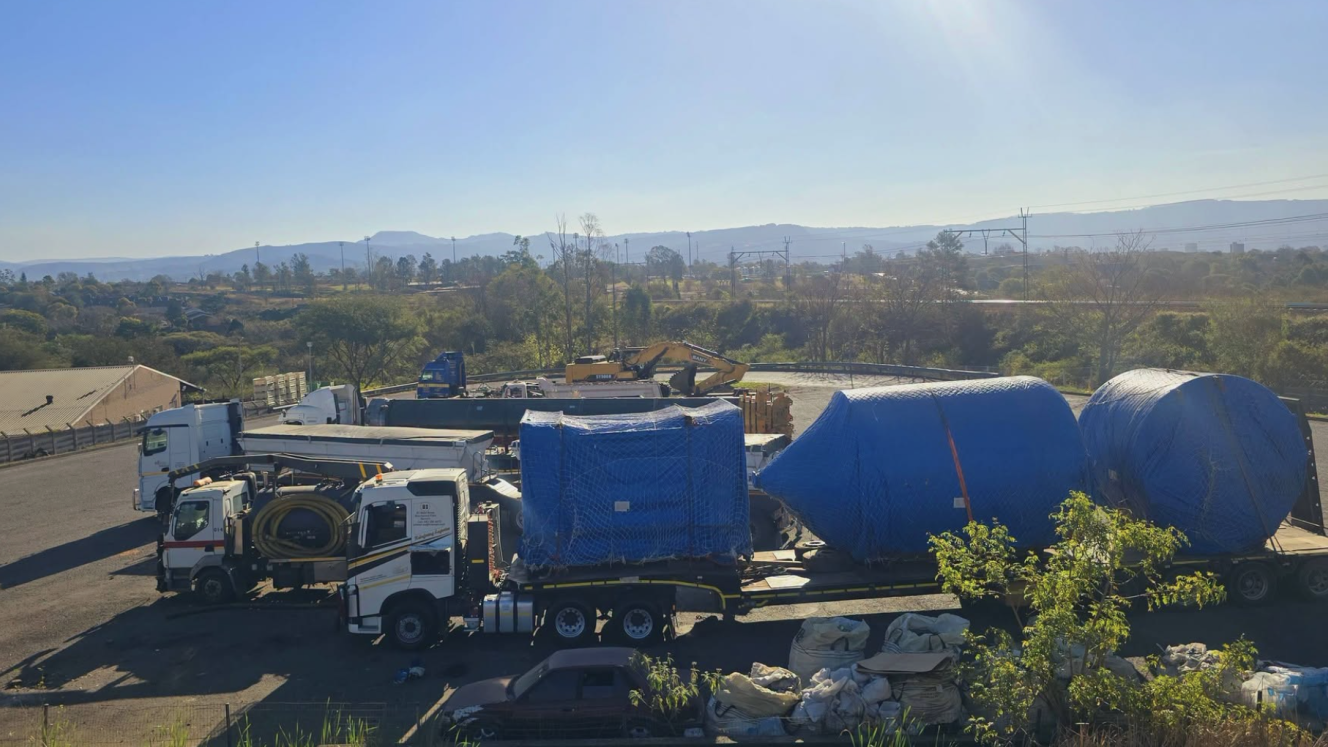
as well as the simple logistics of
moving goods from congested
ports along busy roads to a
project site. For governmentowned
projects the tender
process can be opaque and
practically difficult because
of compliance documentation,
certification or notarisations,
which may or may not need to
come from the bidding country’s
embassy. These make the process
more difficult.”