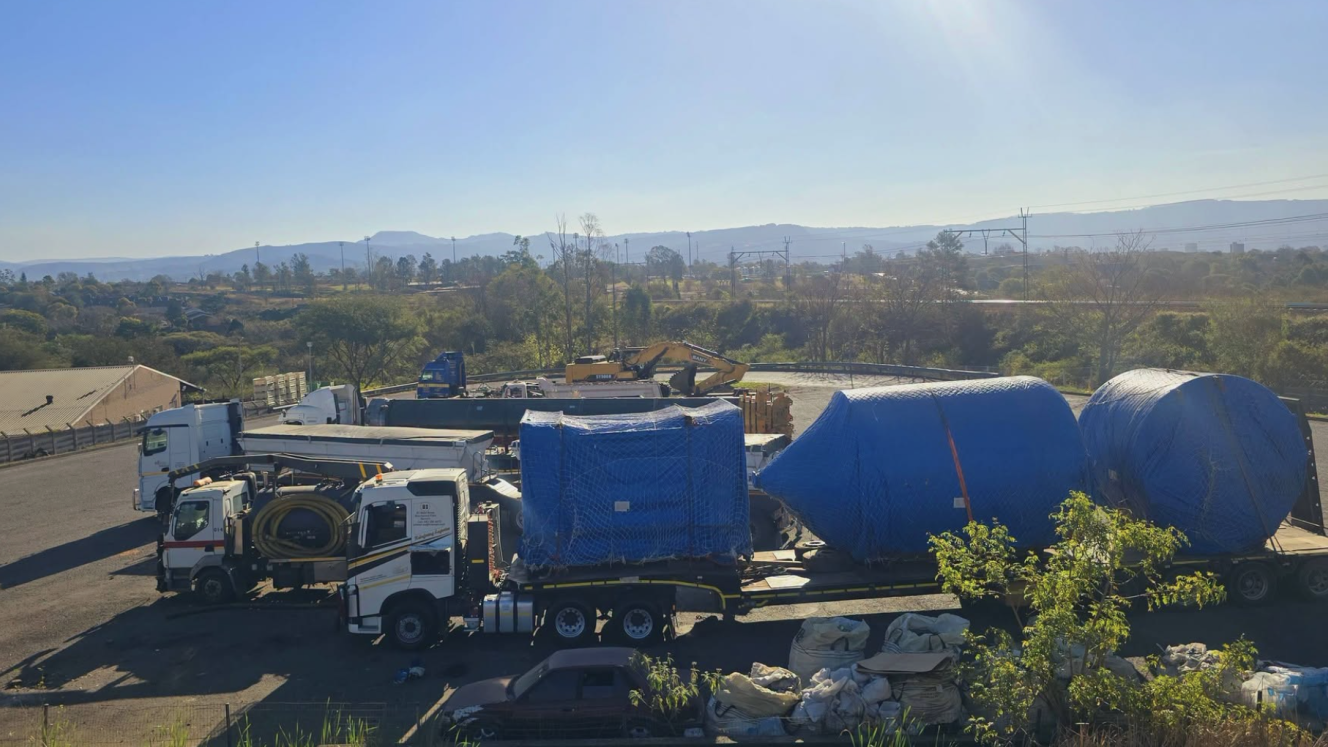
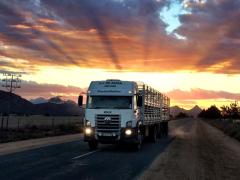
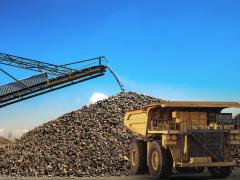
The shift from road to rail is on the increase, according to Mike Asefovitz, spokesman for Transnet Freight Rail (TFR). Its road-to-rail strategy recently received an added boost when Phalaborwa Copper (PC) moved all its freight to rail, he told FTW. “And this, he said, “allows the R40 highway from Phalaborwa to Komatipoort to ‘breathe’ once again after the trucks transporting magnetite – which had traversed that road on a daily basis – were terminated due to this market force. “The 700 long-haul trucks per day by PC have been replaced by an extra two trains of magnetite per day.” TFR’s magnetite budget for the 2015/16 financial year is 11.4 million tonnes, of which 8.5m are from PC. This translates to an extra 60 000t per month on rail. In September, TFR is introducing 150-wagon trains from Phalaborwa to Richards Bay – where the longest trains currently on this corridor are only 75 wagons long. “This,” Asefovitz said, “is to ensure that customer needs are met at all times, leaving no room for railfriendly cargo to be on road.” It also qualifies the Phalaborwa to Richards Bay line as a mini heavyhaul line, which has the capacity to move more volumes at a time, as well as accommodate rail-friendly cargo that is currently on road.” Also in September, Steelpoort trains carrying chrome will be increased from 60 to 75 wagon trains, creating capacity and utilising resources optimally on that line. “Driving between Phalaborwa and Maputo on the R40 has suddenly become a breeze,” said Asefovitz. “Congestion and carbon emissions are reduced, because a lowcarbon, energy-efficient freight system is now in place.”
Bulk shift for TRF frees up highways
Comments | 0
© Now Media. This content is protected by copyright and may not be adapted or republished. If you would like to discuss cooperation opportunities, please contact: editor@freightnews.co.za.