Finance Minister Enoch Godongwana's 2026 Budget Speech places strong emphasis on transport and logistics infrastructure as a cornerstone of economic recovery, with public-sector spending on infrastructure projected to exceed R1 trillion over the medium term.
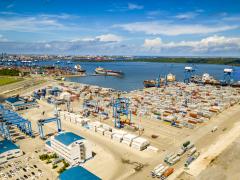
Transport and logistics account for the largest share of this allocation, aimed at addressing chronic bottlenecks that have hampered exports and elevated business costs.
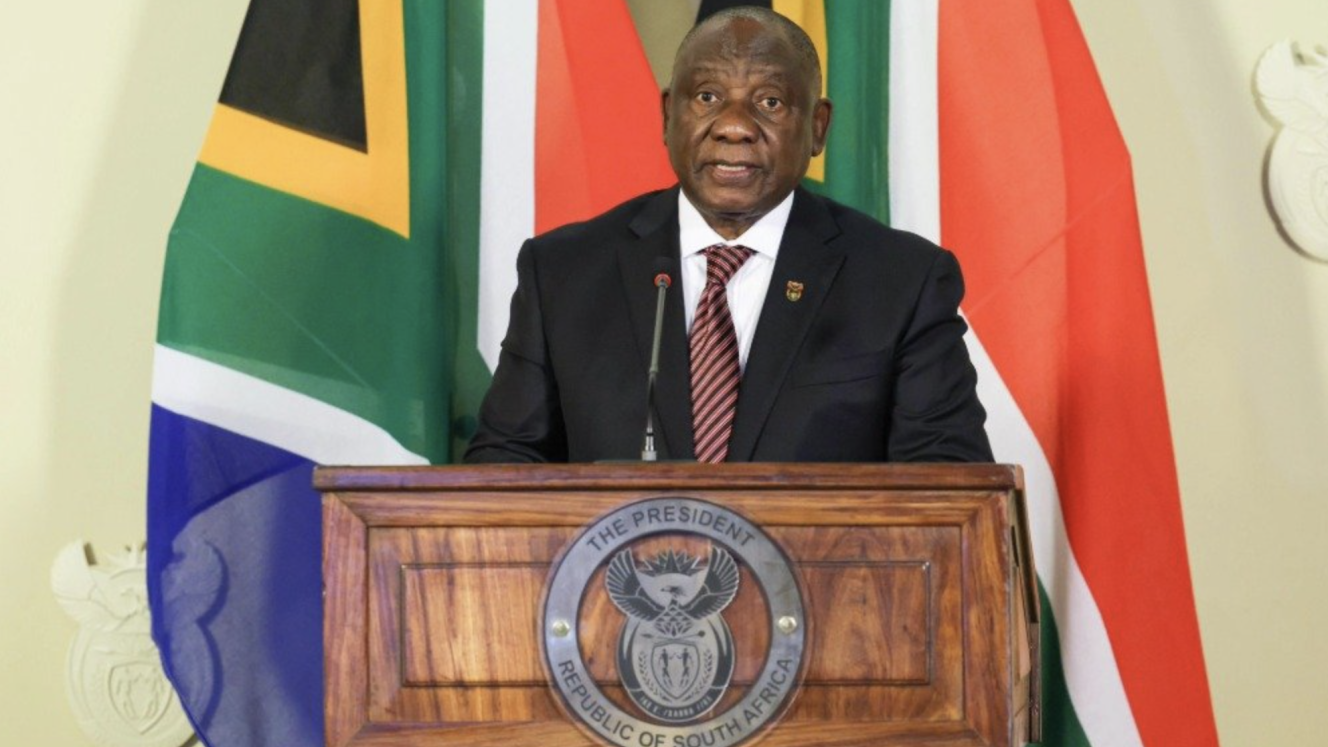
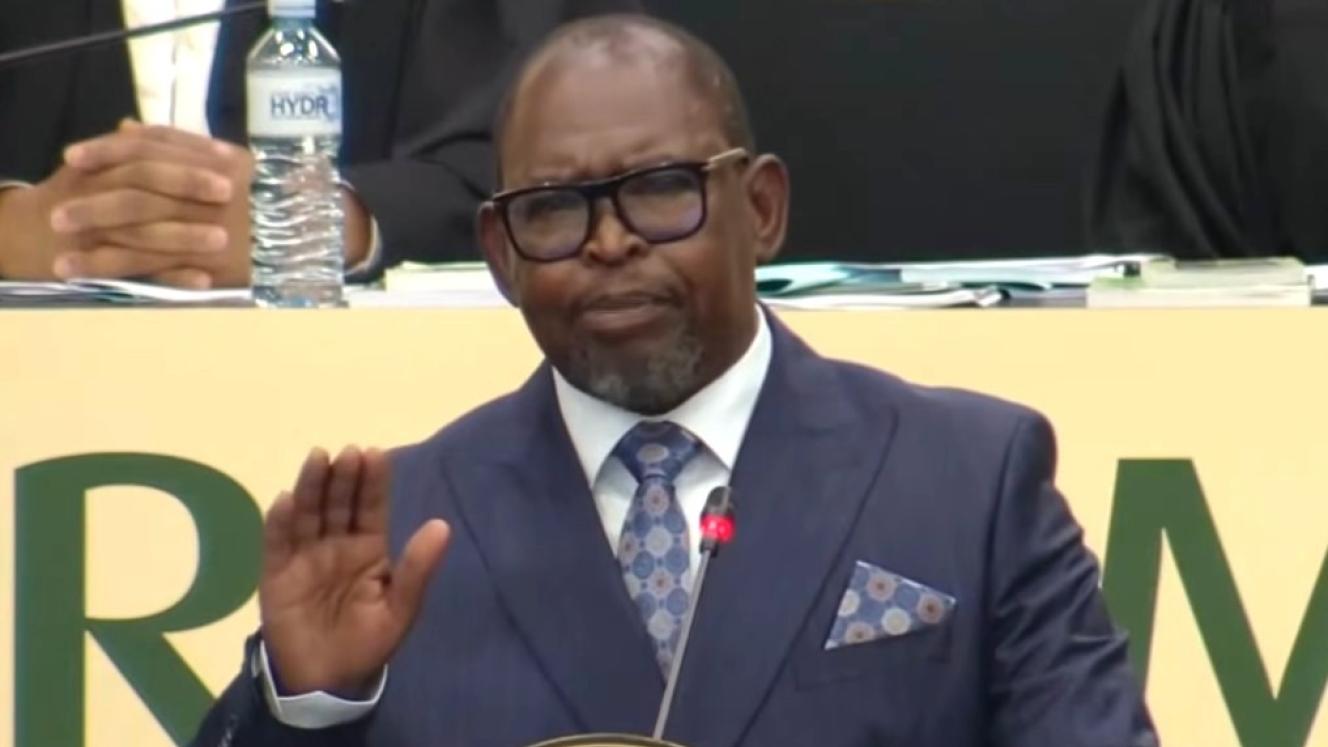
Godongwana, who delivered his budget speech at the Parliament Dome in Cape Town on Wednesday, reiterated the government's commitment to structural reforms in logistics.
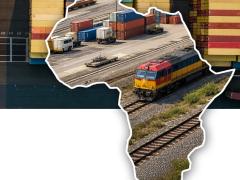
"In logistics, we are dismantling bottlenecks in rail and ports that have throttled exports and raised the cost of doing business. Our intention is to bolster public-private investment in rail operations while retaining state ownership of rail infrastructure. The objective is to move goods faster, cheaper and more reliably.”
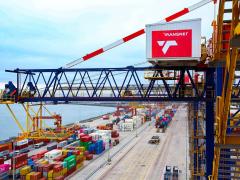
Transnet receives significant support through the Budget Facility for Infrastructure (BFI), which has approved R21.9 billion for five major projects since adopting quarterly application windows.
He highlighted BFI approvals, including "Transnet’s coal and iron ore corridor projects, which will restore rail capacity to 77 million tonnes for the coal line and 60 million tonnes for the ore line," as key steps in reviving export corridors.
Godongwana highlighted public-private partnerships (PPPs) as a mechanism to accelerate infrastructure delivery where public funding or capacity is constrained. He said amended PPP regulations had streamlined processes, closed regulatory gaps, and clarified roles, resulting in a growing pipeline of 63 projects at various stages.
Among the most advanced are "the six border posts project which will ease congestion, lift regional trade flows and upgrade key inland border posts". These are expected to reach financial closure later this year, marking the first major PPP transaction closures in more than five years.
To further support border infrastructure, the Border Management Authority has been allocated an additional R990 million over the medium term to build capacity, including filling 738 positions. This aligns with broader efforts to strengthen border security and facilitate regional trade under the African Continental Free Trade Area.
He said the South African National Roads Agency (SANRAL) would concentrate on long-term network resilience, including the annual maintenance of approximately 27 000 kilometres and the resurfacing of 2 000 kilometres of road.
Overall public-sector infrastructure expenditure breaks down as R577.4 billion by state-owned companies and other public entities, R217.8 billion by provinces, and R205.7 billion by municipalities.
“Infrastructure investment remains the foundation upon which long-term economic growth, improved service delivery and job creation are built," said Godongwana.
The BFI plays a pivotal role in funding strategic projects, and the call for proposals for the 2026/27 cycle opened on budget day.
He urged public institutions to submit proposals addressing funding gaps in key sectors.
Godongwana announced moderate increases to fuel levies to align with inflation, while supporting fiscal stability and the Road Accident Fund (RAF). The general fuel levy rises by nine cents per litre for petrol and eight cents per litre for diesel, the carbon fuel levy increases by five cents per litre for petrol and six cents for diesel, and the RAF levy goes up by seven cents per litre. These adjustments are effective from April 1.
Access the full speech and all the relevant tax guides here.