
South Africa is entering the Budget 2026 cycle at a moment of profound contradiction.
We have ended load‑shedding, a milestone many believed impossible, yet the economy remains trapped below 2% growth. Confidence is rising, but revenue is weakening.
Carbon Tax Phase 2 is coming into force just as infrastructure shortfalls threaten to undermine the energy transition it is meant to accelerate. Budget 2026 will test whether the Government of National Unity can convert political goodwill into economic momentum.
Business optimism is at its highest in years, with PwC reporting that 83% of South African CEOs expect economic growth to improve. But even with this shift in sentiment, growth is forecast at just 1.8% for 2026, far short of the 3–4% needed to cut unemployment and poverty meaningfully.
South Africa’s revenue pressure has intensified. Sars collections are trailing projections, and VAT, the workhorse of the tax system, is under strain. Personal income tax sits near 10% of GDP, one of the highest burdens in emerging markets.
Income tax prediction
It’s unlikely the minister will pursue broad-based tax hikes this year. Personal income tax brackets will be fully adjusted for inflation. Anything less would amount to a stealth tax increase and contradict GNU principles.
Fuel levy forecast
The fuel levy will return to inflation-linked adjustments. After years of freezes, and with revenue pressures mounting, this is difficult for the minister to avoid, especially with a revenue base exceeding R90 billion.
Carbon Tax Phase 2, which began in January, will be one of the defining forces reshaping South Africa’s energy landscape. The gradual reduction in tax‑free allowances signals the rising long‑term cost of emissions and sets clear expectations for businesses planning their capital investments.
The right fiscal mechanisms, including carbon pricing, offset incentives, and targeted industrial support, can help ensure the country advances climate priorities while strengthening economic competitiveness. Budget 2026 is an opportunity to align tax policy with South Africa’s energy ambitions, enabling investment in cleaner technologies and defining how gas, as a low alternative to coal, will play a role in the energy mix.
Budget reallocation to ports and energy
Budget 2026 arrives as fiscal pressures converge directly with the critical needs of the energy, oil and gas industry. Rising demands on the public purse, including the legally mandated extension of the Social Relief of Distress Grant and increasing defence expenditure, continue to strain limited resources. These pressures sit alongside persistent underspending across various government programmes, where billions remain unused each year.
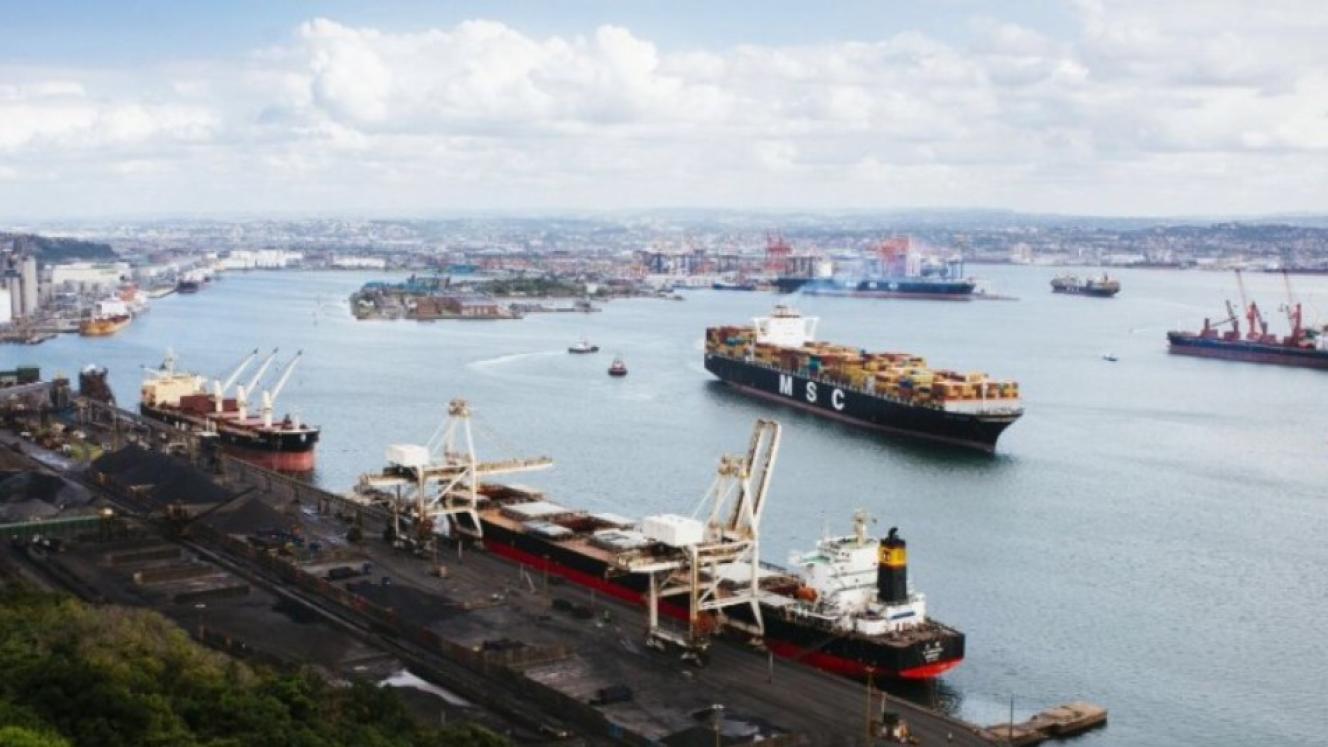
Expect significant reallocations from chronically underspent programmes toward strategic infrastructure essential to the energy value chain, including ports, rail, pipelines, storage facilities, and the national grid. Without these systems operating at full capacity, South Africa cannot efficiently import, transport, refine or distribute the energy products that power its economy.
Infrastructure remains the sector’s most urgent constraint and its greatest opportunity. South Africa’s ports and rail network continue to restrict growth, competitiveness and energy security.
Transnet requires an estimated R90bn to modernise key corridors, and without accelerated port development, the country cannot import LNG at scale, a fuel essential for stabilising the electricity system and supporting renewable integration during the transition.
Eskom’s recent operational improvements show what focused execution can deliver, but the utility’s financial fragility persists. Strengthening grid stability remains critical as more private renewable generation comes online. Budget 2026 must therefore provide clear timelines for SOE reform and private-sector participation in infrastructure rollout, including additional funding for the establishment of a special tribunal to fast-track adjudication where critical projects are delayed due to legal challenges.
Climate resilience, municipal collapse and the future
South Africa cannot rely solely on international funding for its climate transition, especially following geopolitical shifts that have created uncertainty around Just Energy Transition financing. Extreme weather is causing infrastructure damage exceeding R50bn, yet municipal systems are failing precisely when resilience is most needed.
Only 14 of the 72 municipalities under National Treasury intervention are meeting their payment obligations. Without improved governance, infrastructure investment will not deliver its intended outcomes.
A call for execution, not aspiration
South Africa has a narrow but real window to realign its fiscal path with economic growth and climate ambition. To succeed, Budget 2026 must deliver:
- Honest trade-offs
- Realistic growth assumptions
- Policy certainty that supports long-term investment
- Clear, enforceable infrastructure timelines
- A coherent financing plan for climate resilience
Business leaders, investors and citizens will be watching not for new promises, but for evidence of delivery.
South Africa has reached its turning point. What matters now is execution. The fiscal space to delay, defer or debate without action has run out. Budget 2026 must be the moment the country stops discussing reform and starts delivering it.