South African exporters and cross-border transporters could benefit from renewed momentum on trade facilitation between South Africa and Botswana after key border and corridor projects were elevated at the conclusion of this week’s Sixth Botswana-South Africa Bi-National Commission (BNC) in Gaborone.
The projects include one-stop border posts, 24-hour operations at key commercial border posts and upgrades to border infrastructure, with Botswana’s proposed One-Stop Border Post at Tlokweng/Kopfontein expected to improve trade efficiency and reduce congestion on a key road freight link between the two countries.
Bilateral trade between the two countries reached approximately R82 billion in 2025, with South African exports to Botswana accounting for R73.5bn, said South Africa’s International Relations and Cooperation Minister Ronald Lamola. Botswana exported R7.7bn worth of goods to South Africa, “resulting in a significant trade surplus in South Africa’s favour”.
South Africa remains Botswana’s largest trading partner and supplies about two-thirds of the country’s imports. Agricultural exports alone accounted for about R14bn of Botswana’s R15bn agricultural import bill in 2025.
Corridor and border upgrades
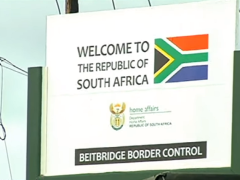
The two countries are advancing broader trade facilitation measures, including 24-hour border operations and improved sanitary and phytosanitary cooperation to ease agricultural trade.
Lamola also welcomed Botswana’s plans to establish a One-Stop Border Post at Tlokweng/Kopfontein, saying it would improve trade efficiency and reduce congestion. The Kopfontein/Tlokweng crossing is one of the key road freight links between South Africa and Botswana, supporting regional trade flows into Gaborone and onward movement into the wider Southern African region.
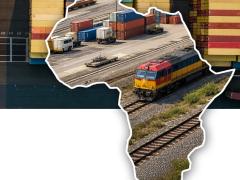
The final BNC outcomes also listed the North-South Corridor Development, the Mmamabula-Lephalale Railway Line and the refurbishment and expansion of the Martin’s Drift/Groblersbrug Border Post and bridge infrastructure among the priority projects.
South African development finance institutions, including the Development Bank of Southern Africa and the Industrial Development Corporation, were engaging Botswana on infrastructure and development projects, including transport corridors and water resource management, Lamola said.
President Cyril Ramaphosa and Botswana President Duma Boko directed the immediate establishment of a Coordination and Implementation Committee to support the timely execution of BNC projects.
Infrastructure and sector cooperation
Energy security, mining and infrastructure development remain key areas of cooperation between the two countries, Lamola said.
The BNC concluded several agreements, including four key instruments focused on water management, aeronautical search and rescue, energy cooperation and correctional services. These include a memorandum of agreement on the joint management of water quality and aquatic invasive species in the Upper Limpopo River Basin.
South Africa and Botswana are also working on joint fuel storage and petroleum infrastructure development, SACU industrialisation and value-chain development, cross-border agricultural value chains, agro-processing and technology transfer initiatives.
Ramaphosa said the two countries needed to increase bilateral trade and investment, explore more opportunities in agriculture and work together to resolve challenges in the sector.
“This meeting takes place in a context where the people of our two countries expect us to work more closely and to achieve even higher levels of cooperation,” Lamola said.