South Africa’s automotive manufacturers have commended President Cyril Ramaphosa’s commitments to safeguarding the manufacturing base, advancing tariff reforms and supporting a pragmatic transition to new energy vehicles (NEVs).
The Automotive Business Council (ABC) on Friday described the president's emphasis on protecting jobs, strengthening industrial policy, tariff reform and accelerating the green economy transition as affirmation of the sector's role as a strategic pillar of the economy.
Reacting to Ramaphosa’s State of the Nation Address (Sona), the ABC welcomed the government's pledge to close loopholes in the tariff structure and to introduce measures to protect and expand domestic manufacturing. The pledge comes amidst global challenges of excess capacity, intensifying import competition and rising protectionism.
Chief policy officer, Tshethe Litheko, said the automotive industry welcomed the clear commitment to protect the domestic manufacturing base.
“Our sector operates in an increasingly competitive global environment, and maintaining domestic production scale is essential to safeguarding jobs, exports and long-term investment. Policy coherence, certainty and stability will be decisive in ensuring South Africa remains a preferred production location within global automotive value chains,” Litheko said.
The industry body welcomed the announcement of a 150% tax deduction for investment in NEVs, together with support for local battery production, calling it a strong supply-side signal to investors and global parent companies allocating future vehicle platforms.
However, the council stressed the importance of a technology-neutral, export-aligned and globally competitive transition framework.
“A credible transition pathway must explicitly recognise battery electric vehicles, plug-in hybrids and hybrid technologies as part of a sequenced and realistic decarbonisation trajectory,” the ABC said.
Litheko said investment decisions for future vehicle platforms were being made now.
“Clarity on implementation rules, timelines and incentive structures is critical. A technology-neutral framework, combined with supportive domestic market measures, will significantly enhance South Africa's competitiveness in attracting new model allocations and sustaining export growth,” he added.
The body also welcomed ongoing reforms to ports, rail and the energy system, noting the export-intensive and logistics-sensitive nature of the automotive industry. Improvements in freight efficiency, port performance and energy reliability are essential to restoring structural competitiveness.
Looking ahead, the ABC said it was committed to structured engagement with government and labour to advance policies that protected domestic production scale and secure export market access, and supported localisation across the value chain.
“The 2026 State of the Nation Address reinforces the strategic importance of the automotive sector to South Africa’s economic future. The next critical step is detailed, credible and time-bound policy implementation that translates intent into investment certainty.”
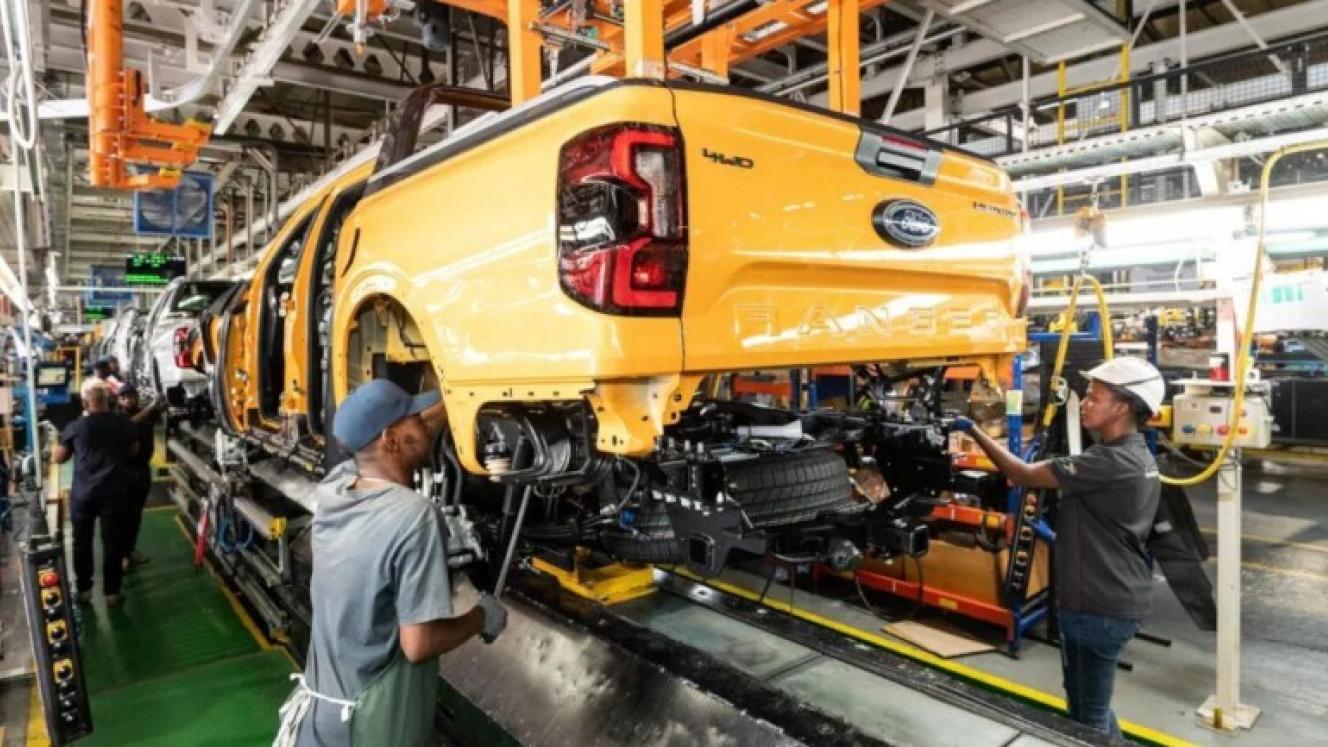
The automotive industry contributes 5.2% to GDP (3.2% manufacturing and 2% retail), with 2024 exports of vehicles and components reaching a record R268.8 billion, or 14.7% of total exports. It accounts for 22.6% of manufacturing output, exports to 155 markets, employs about 115 000 in manufacturing, and sustains 498 000 jobs overall.