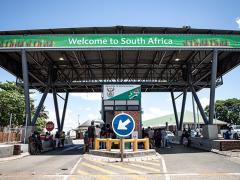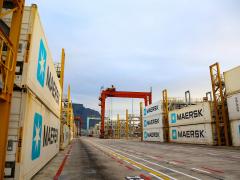
Manufacturers, shippers and specialised logistics operators in South Africa’s arms trade are finding themselves on the receiving end of IT capacity constraints experienced by the National Conventional Arms Control Committee (NCACC).
According to military and hazardous logistics expert, Sugie Govender, the NCACC has implemented a new system for handling permit applications, but digital downtime and the absence of manual contingencies is leading to “millions lost in trade”.
Because local manufacturers deal in imported raw materials like trinitrotoluene (TNT) and RMX, also known as RDX (cyclotrimethylenetrinitramine), vessels have to be chartered according to exact timelines.
“Some of these ships charge in the region of US$50 000 a day,” says Govender, CEO of freight forwarder, Transglobal.
“When they arrive at port and the necessary permits aren’t in place, clients start incurring detention and demurrage charges running into the tens of thousands of rands.”
He says the issue with new permits first emerged last July, but was sorted out, only for it to reappear at significant expense and loss of business in an industry that runs on precision logistics.
“Raw product is not coming in fast enough and finished product is not going out according to schedule. We have a client that has lost an entire shipment because of this.”
To make matters worse, the port at Coega often struggles with weather-related delays, further impacting throughput for the industry.
Asked what recourse clients had, Govender says: “Their hands are tied because they don’t want to fight with the department (the NCACC).”
Taking to social media out of frustration, he points out that the issue is reportedly linked to the State Information Technology Agency (Sita).
In an older post contextualising governmental system snags, SDx Central has reported that Sita faces chronic issues, including financial audits failures, manual procurement delays, and cybersecurity vulnerabilities, impacting multiple departments like Home Affairs and SAPS since at least 2024.
The software site says the NCACC has dealt with outdated IT systems for over eight years, hindering permit issuance and reporting, as noted by Parliament's Joint Standing Committee on Defence.
Govender says that, apart from vessels not being able to enter and clear cargo, “backlogs are escalating”, resulting in “penalties mounting across the supply chain”.
“As of yesterday, the department could not confirm when the issue will be resolved.
“Whether a fix costs millions or tens of millions, the economic loss from this downtime is far greater – and entirely preventable with proper IT resilience and contingency planning.”
He said that, without manual applications for NCACC certificates as a contingency measure, the industry urges relevant authorities to provide “clear communication, intervention, and a recovery plan with timelines”.
- This is a developing story. Attempts to contact the NCACC for comment were unsuccessful.