More than 150 CEOs in Africa who participated in PwC’s 29th Global CEO Survey demonstrate strong operational resilience and reinvention as they navigate currency fluctuations, political uncertainty, infrastructure constraints and supply chain disruptions.
The survey, conducted from September 30 to November 10, 2025, among 4 454 chief executives globally, reveals 81% of African CEOs are optimistic about improving economic conditions, significantly higher than the global average of 65%. Nearly half (47%) expressed confidence in revenue growth over the next 12 months.
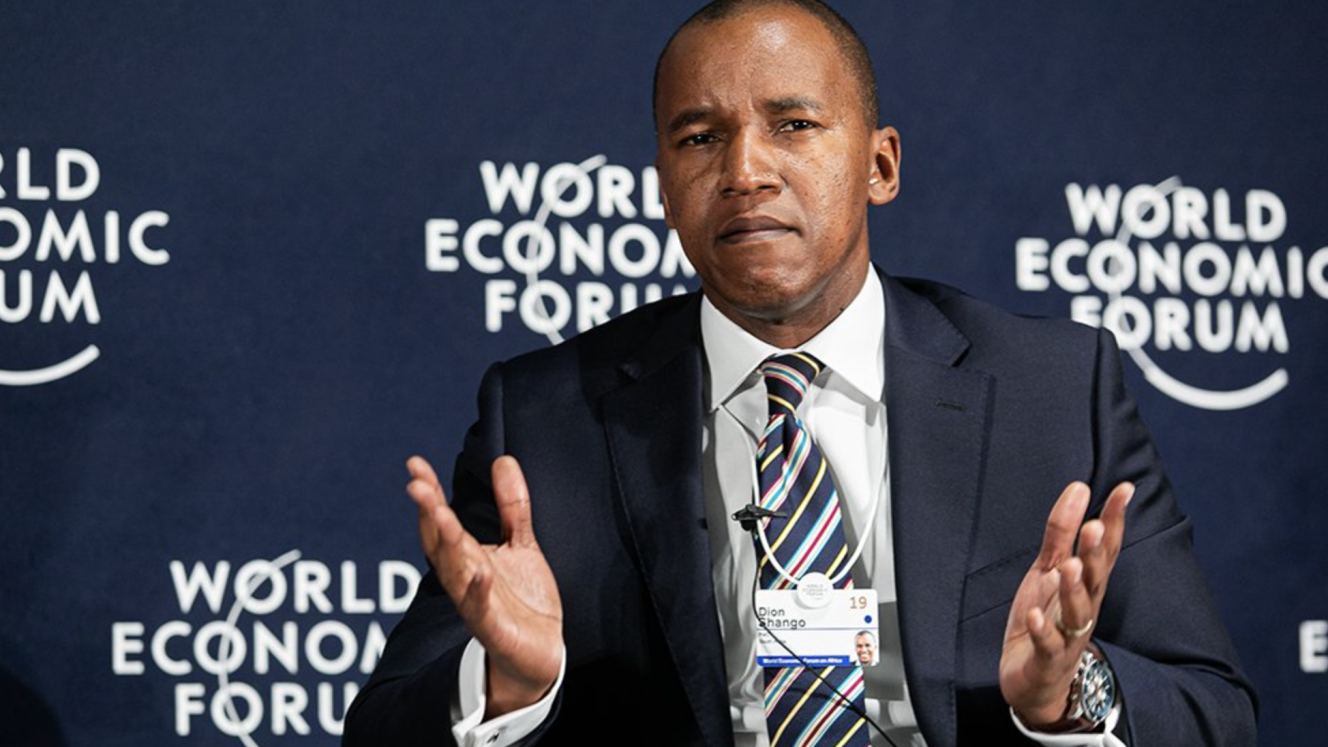
PwC Africa CEO Dion Shango said the uncertainty needed to be accepted as the new norm.
“Every business must find a way to navigate this uncertainty, along with the risks and opportunities it brings,” he said.
“This reality fundamentally challenges how we think about strategy. Strategies cannot be static – they need to be responsive to unforeseen changes, enabled to adapt quickly, and designed with agility and flexibility to ensure business models aren't compromised when major disruptions occur.
“This is exactly why CEOs are so focused on reinventing their businesses, and why many are saying that if they continue their current path, their businesses won't be viable in ten years.”
Innovation is deemed critical by 55% of African CEOs, yet implementation lags: only 13% tolerate high risk in innovation projects, 16% have dedicated innovation centres or incubators, 25% have processes to halt underperforming research and development, and 29% rapidly test ideas with customers.
PwC South Africa chief economist Lulu Krugel said leaders who built enduring enterprises were those who found a way to protect their core business while creating its future.
“That balance is not optional; it is the defining leadership challenge of this era,” Krugel said.
Investment remains cautious, with just 8% likely to make large investments amidst geopolitical uncertainty. Acquisitions appeal to 40% who are planning growth through them in the next three years, driven by market share gains (55%), scale efficiencies (50%) and diversification (51%).
Diversification into new sectors has yielded results, with 47% having entered new areas in the past five years, generating 24% of revenue. Planned expansions target technology (17%), real estate (13%), retail (13%) and transport/logistics (12%).
PwC Nigeria consulting and risk services leader, Olufemi Osinubi, said Africa's CEOs had developed “remarkable resilience and operational excellence”, yet their cautious investment approach and risk-averse innovation stance could limit their ability to capitalise on opportunities.
Africa’s AI adoption lags, with skills shortages a key barrier – only 37% can find and retain needed talent. Just 41% have clear AI roadmaps and 37% formal responsible AI processes.
Some 75% of CEOs said their firms had adopted AI last year, but only 26% viewed current investment levels as sufficient to achieve goals. About 23% reported revenue increases, while 25% recorded cost reductions.
PwC Mauritius Africa cyber leader, Vikas Sharma, said the challenge was fundamentally a governance deficit rather than a lack of ambition.
“When cloud environments remain fragmented, data governance unclear and cybersecurity frameworks still developing, building a coherent AI roadmap becomes exponentially harder,” Sharma said.
PwC South Africa, AI Africa leader Christiaan Nel said: “We're seeing CEOs approach AI with the same cautious investment mindset that has helped them navigate uncertainty for years. But with AI, that caution needs to be balanced with urgency. The organisations making modest AI investments today may find themselves significantly behind competitors who are scaling rapidly.”
Africa's CEOs are not short on ambition or ability, and they face an extraordinary opportunity, according to PwC South Africa consulting and transformation platform leader, Hannelie Gilmour.
“With vast talent pools and a dynamic young population, the continent is uniquely positioned to leapfrog global counterparts by embracing the necessary tools for transformation. The leaders who will shape the next chapter of business in Africa are those who recognise that tomorrow's stability comes from today's innovation,” she said.