The 4IR will affect the type of skills in demand in the maritime industry not the size of the labour force in the future.
That’s the view of Sweden’s World Maritime University Associate Professor Momoko Kitada who addressed the ‘Forward Thinking for Maritime Education and Training Excellence’ conference hosted by the South African International Maritime Institute (SAIMI) in Durban yesterday.
An expert in the impact of automation on future labour trends, Kitada said many industries – including the maritime industry – were concerned about whether automation would lead to massive unemployment and what interventions were needed to prepare for the 4IR.
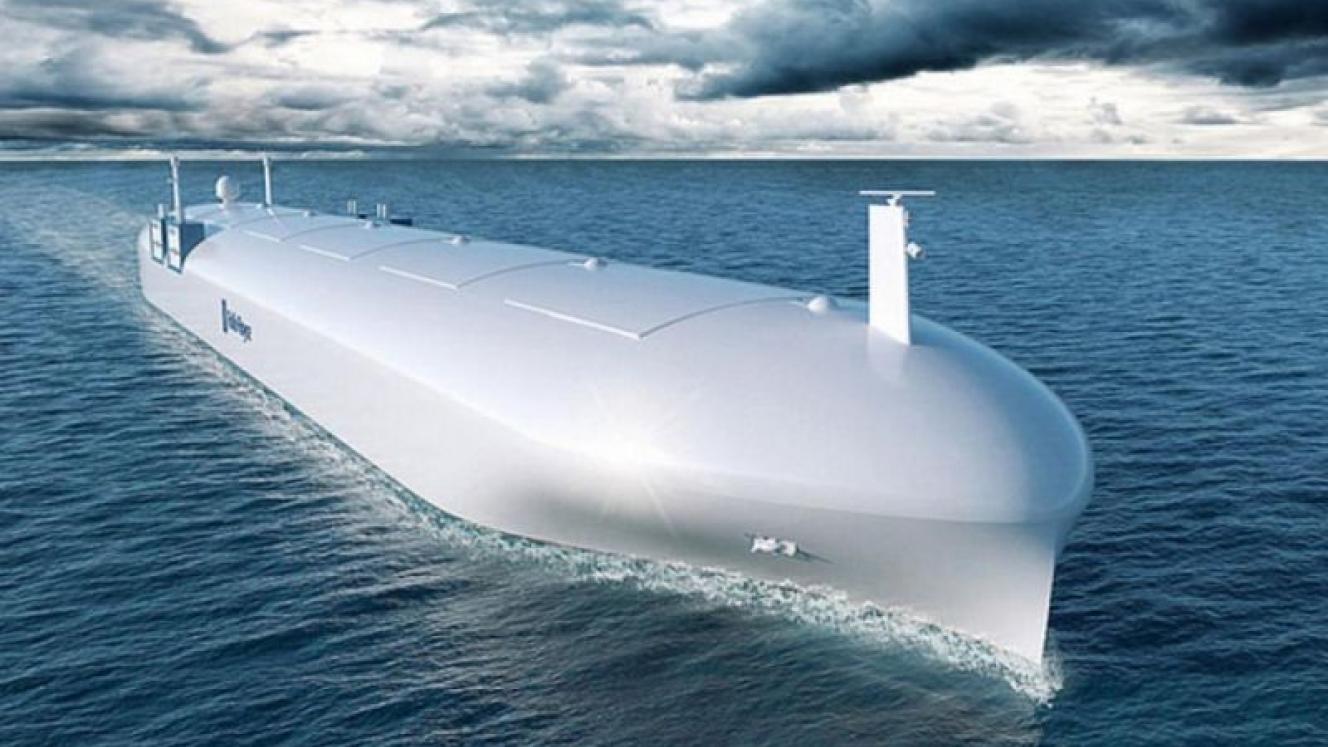
With Norway planning to send the first autonomous ship to sea in 2020 – an electric and self-propelled container ship – Kitada said the maritime industry would certainly be impacted by 4IR trends.
These include automation in maintenance, using drones for ship repairs at sea, humanoid robots working on cruise ships, and various new services to increase efficiencies in maritime businesses.
“Technology will reduce staff per unit, but the trend in the expansion of international trade will counterbalance this. People are still needed. We predict that world trade will increase and therefore our conclusion is that seafarers need to adapt their skills, but they will still be in demand. These jobs will become more digitalised, and our education and training skills development will need to adapt accordingly,” said Kitada.
She said improved digital skills in the maritime industry could lead to the unlocking of new nautical routes and highways to replace and complement transport modes.
However, South Africa needed to invest in human capital and skills development to prepare for this reality. “The developing world is lagging behind regarding technological advancement and innovations. Skills sets have to be ready to handle new technologies – despite the adoption rate projected to be slower for automation in the maritime sector compared to other sectors,” said Kitada.
The skills that will be needed, according to Kitada, include data fluency, digital operation and basic software engineering, as well as research skills to work independently with big data through critical thinking, combined with analytical skills.
DAMEN Shipyards director Sefale Montsi said South African skills training for the future should focus on training people “for life, not for a job”.