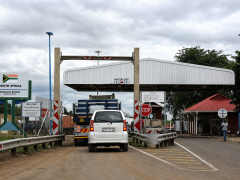
Across the Maputo Corridor, continued investment in infrastructure and digitalisation is strengthening the perishables supply chain, while improvements in border processes are helping to reduce transit times and congestion. At the same time, more structured engagement between public and private stakeholders is taking shape, with a shared focus on raising operational standards and positioning Maputo as a more effective complementary export route for the region. According to Irina Rodrigues, managing director of the OCL Group, these developments are improving predictability, coordination and end-to-end planning – all essential elements for perishable cargo to move efficiently and with confidence along the corridor. “From a logistics and corridor perspective, the overall trend in perishable volumes is positive, driven largely by growth in production and export activity out of South Africa,” Rodrigues told Freight News. “This is translating into increased demand for reliable, temperature-controlled logistics solutions, as well as a stronger emphasis on end-to-end planning and execution.” While perishable flows through the corridor remain predominantly South Africa- driven, Rodrigues said some volumes were already originating from Eswatini, with growing interest from the broader region, including Zimbabwe. Mozambique, meanwhile, is increasing investment in its agricultural sector, pointing to the emergence of a new production base over the medium to long term. She said the upward trend reflected a structural shift rather than short-term volatility, driven by higher production levels, more demanding export markets and a growing requirement for integrated cold- chain solutions. “This dynamic is also driving continued investment across the logistics sector, particularly in cold-chain capacity, planning capability and corridor coordination.” Rodrigues cautioned, however, that the perishable sector continued to face a number of structural challenges, many of which stem from the highly time-sensitive nature of the cargo and the level of coordination required across the value chain. “One of the key constraints is access to competitive and diversified shipping options, both in terms of transit times and destination coverage. Perishables depend heavily on reliable routes and established protocols, and where market access or regulatory agreements are limited, exporters’ flexibility is reduced,” she said. “Regulatory alignment and cross-border processes also remain a challenge. Differences in protocols between producing countries, transit corridors and destination markets can introduce complexity and additional administrative burden, often impacting farmers and exporters directly.” According to Rodrigues, cost remains a significant factor. “While logistics solutions can be competitive under certain conditions, costs can escalate quickly when systems are constrained, congestion patterns shift or volumes lack sufficient scale,” she said. “This makes perishables particularly sensitive to inefficiencies across transport, border and port interfaces.” LV
Strong emphasis on end-to-end planning
Comments | 0
© Now Media. This content is protected by copyright and may not be adapted or republished. If you would like to discuss cooperation opportunities, please contact: editor@freightnews.co.za.