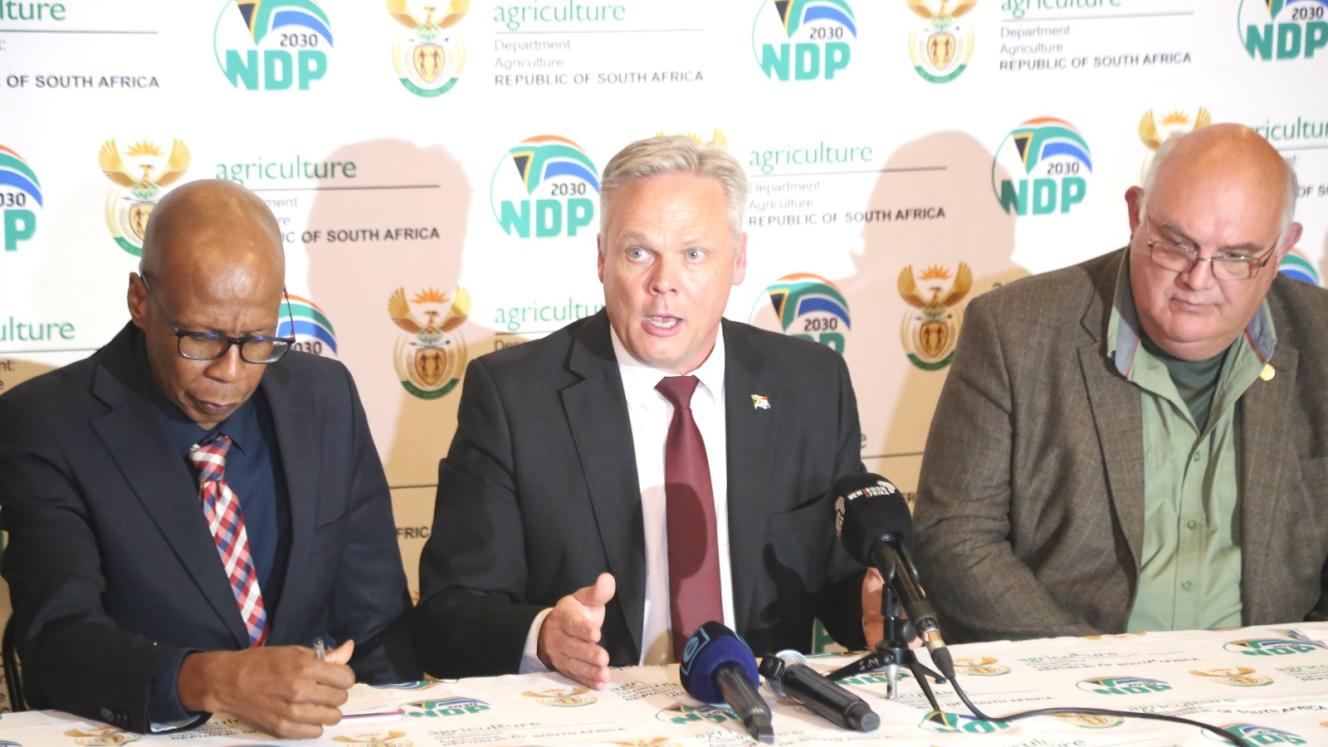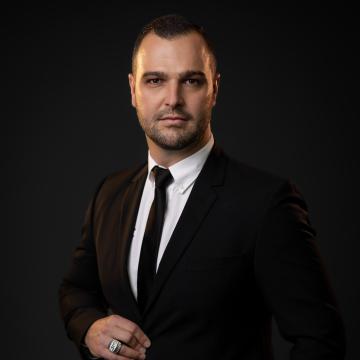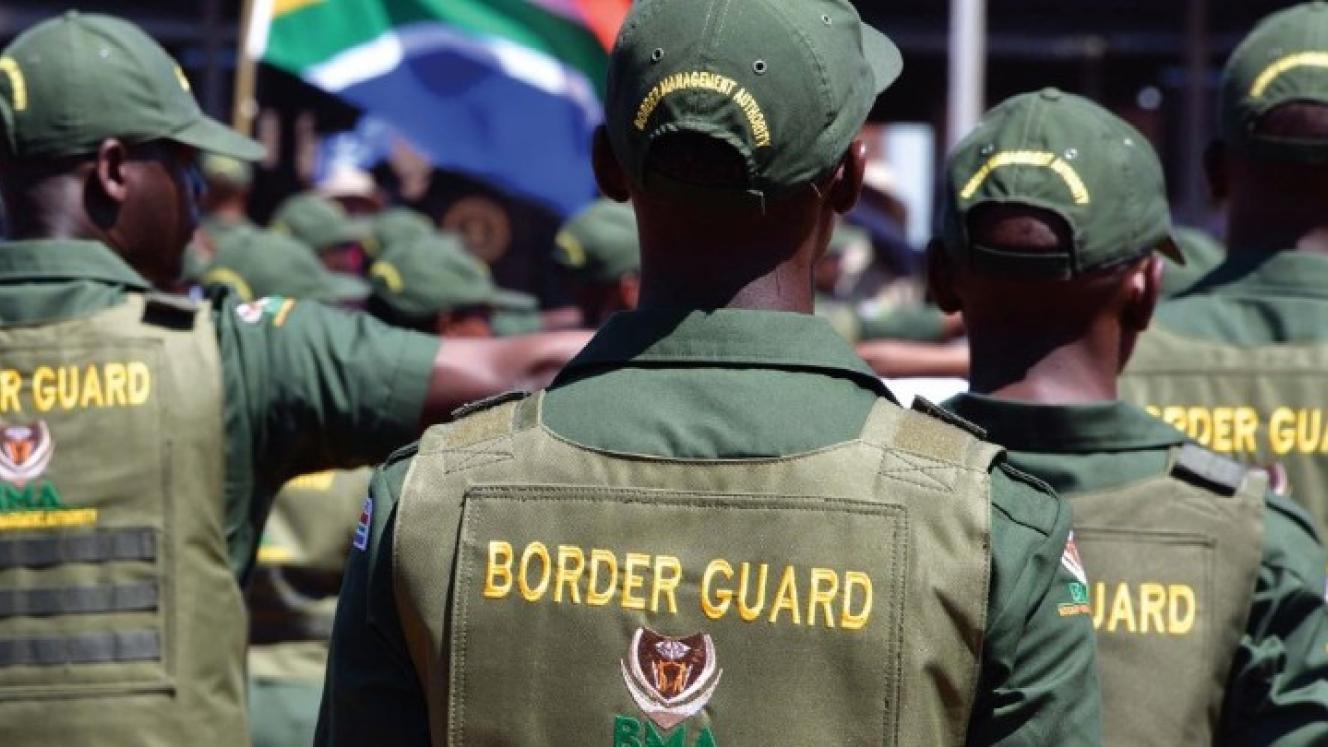
Following Thursday night’s State of the Nation Address (Sona), Border Management Authority Commissioner, Dr Michael Masiapato, has said he is looking forward to Finance Minister Enoch Godongwana’s Budget Speech presentation to Parliament.
Set down for February 25, it is hoped that fiscal light will then be shed on the extent to which President Cyril Ramaphosa’s expressions on enhanced border control will translate into actionable implementation.
Addressing a joint sitting of the National Assembly and the National Council of Provinces, Ramaphosa said: “This year, we will take additional steps to secure our borders. Funding to strengthen border security will be prioritised, covering infrastructure, technology and people.”
Masiapato, who earlier this year told Freight News that the authority was vastly understaffed, operating on roughly 25% of its originally mandated staff complement, believes Sona bodes well for the BMA.
He said this was especially in relation to Ramaphosa saying: “The police, Home Affairs and labour inspectors will work together to crack down on violations of existing immigration, labour and other laws.”
“To accomplish the personnel requirement for this, we will hire an additional 10 000 labour inspectors this year,” the president said.
This figure is almost as high as the 11 200 staff the BMA was originally mandated to employ before it came into being in April 2023.
Currently, the authority’s staff complement was about 2 600, Masiapato said, “meaning we’re about 75% under-capacitated”.
Speaking to an SABC journalist after Sona, he said Ramaphosa’s expressions on enhanced border security would not only be good for migration, but would also prove “more critical in the way that we’ve been doing things in terms of dealing with issues of illicit movement of goods into the Republic”.
The upcoming financial year looks “very much brighter for the BMA”, Masiapato said.
Asked what this means in real terms for the authority, whether he knows something the public don’t, Masiapato wouldn’t be drawn on additional detail, save to say that based on what Ramaphosa had said “we are very much hopeful that in the coming financial year there’s going to be something for the BMA”.
Finding extra capital for the authority’s requirements has, in recent times, meant private-sector intervention for the BMA.
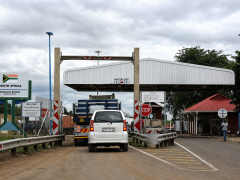
Apart from personnel shortfalls at physical borders such as South Africa’s Limpopo River boundary with Zimbabwe, almost constantly compromised by illegal crossings, the authority has also battled to meet demand at OR Tambo International Airport.
The import-export hub for airfreight, especially pharmaceuticals coming in from Dubai and destined for redistribution into sub-Saharan Africa, experienced significant backlogs last year.
There were simply not enough Port Health officials deployed by the BMA to help stamp clearance documents as import volumes continued to spike over the end-year period – an annual occurrence.
Masiapato confirmed that amaPanyaza officials, originally hired as crime prevention wardens by Gauteng Premier Panyaza Lesufi, had to be seconded to assist with after-hours staffing requirements at the airport.
Because the BMA couldn’t afford this, it is understood that the South African Association of Freight Forwarders and the SA Express Parcel Association had asked their members to fund the overtime pay.
A freight forwarder has since said that the Port Health backlog, which sporadically flares up depending on import spikes, could be avoided if the BMA agreed that pharmaceuticals, already checked by the South African Health Products Regulatory Authority, did not have to be checked again.
Masiapato has not commented on what some in industry refer to as double stamping.
The commissioner strictly sticks to what he’s mandated to do, but if there isn’t enough fiscal backing for the BMA, what is he supposed to do?
“My hands are tied if we don’t have the necessary funding, and I hope that it changes when we have the Budget Speech,” he said in January.
After Thursday’s Sona, he believes there’s reason to remain hopeful.