KwaZulu-Natal has seen increased rail freight activity in recent months, after assistance from private capital and the prioritisation of integrated logistics.
This is according to a statement released by Johann Nell, head of development and national asset manager at Redefine Properties.
He says: “Part of reforming logistics is not only strengthening and decongesting freight corridors, but also developing infrastructure and inland ports that host integrated road and rail logistics, industrial manufacturing and warehousing.”
Therefore, it enables the sector to play a greater role in macroeconomic development, creating job opportunities and offering long-term benefits that support an optimised transport network.
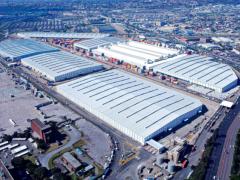
Cato Ridge, South Africa’s first large-scale, privately funded freight-corridor development, houses the recently launched Insimbi Ridge Logistics Precinct.
Nell says it “introduces new inland staging and intermodal capacity and forms part of the KwaZulu-Natal provincial government’s plans to integrate private investment into critical infrastructure”.
Spread over 500 hectares of developable land, Nell says: “Cato Ridge is a next-generation hub and essential node in the KZN-Gauteng freight corridor, which itself is critical for getting goods from the Port of Durban up to Johannesburg and throughout the country.”
He says that right now “the transport and shipping narrative for South Africa centres on renewal and revitalisation”.
Last year, Transport Minister Barbara Creecy announced six new targets that would guide the department in its efforts to improve passenger, freight and logistics systems.
These targets include carrying 250 million tonnes of freight on the Transnet network by 2029 and improving ship loading and unloading speeds to meet the international benchmark of 30 gross crane moves per hour.
Nell states that, additionally, the National Treasury raised R11.8 billion through South Africa’s first Infrastructure and Development Finance Bond, part of a broader budget plan to allocate R1 trillion to public infrastructure over the next three years.
Logistics sets the pace at which South Africa can move, trade and grow says Nell.
“The nation’s freight and logistics market is expected to reach nearly $20bn by 2030, growing at a CAGR (compound annual growth rate) of 6.24% and underscoring its role in driving economic activity and national development.”
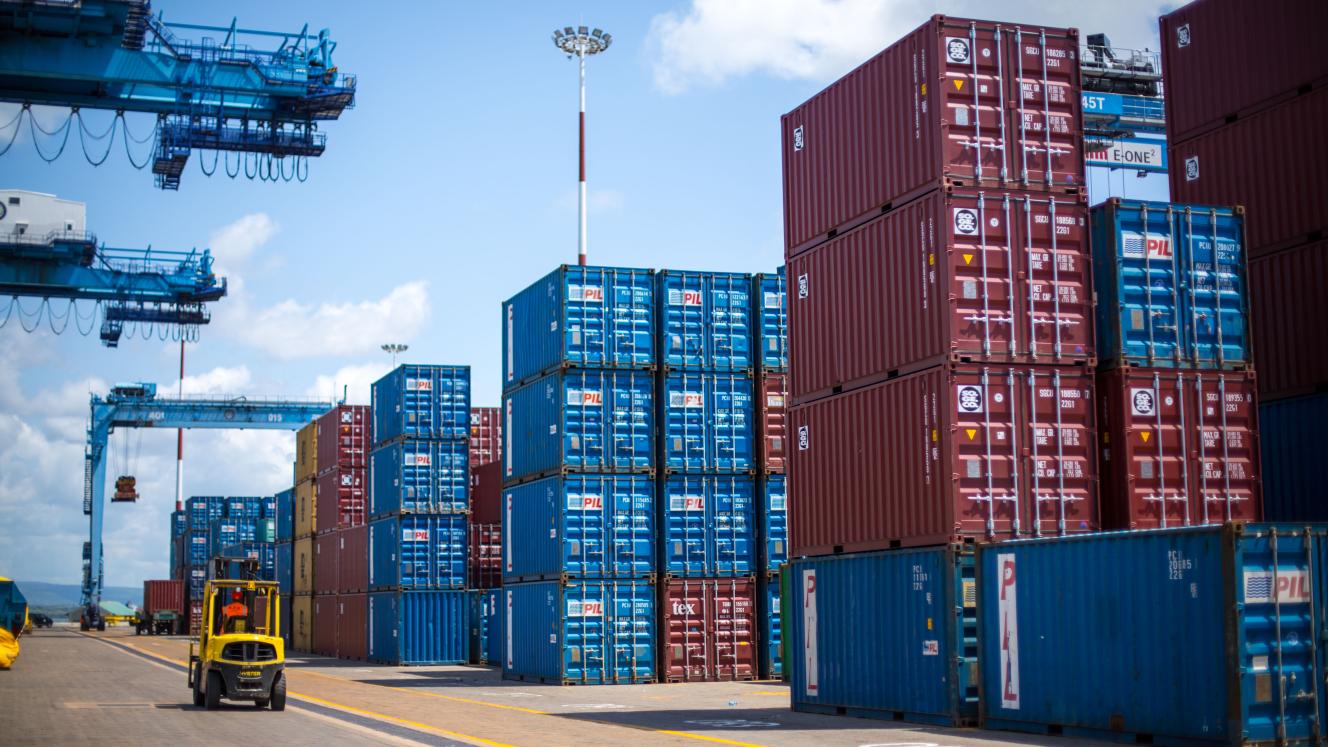
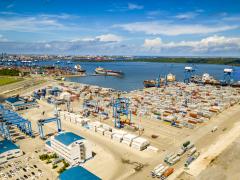
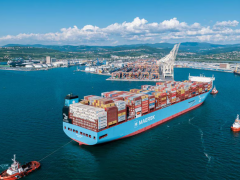
While freight along Africa’s biggest railway system has improved, that system continues to face challenges such as equipment shortages and maintenance backlogs. Nell says that the Port of Durban, the largest and busiest shipping terminal in Sub-Saharan Africa, has been rated among the least productive ports for two years in a row on the World Bank’s Container Port Performance Index, though progress has been made in improving operational and capacity-related challenges.
Nell says that common across all reform efforts is the input and attention of the private sector.
“In December 2025, South Africa received its largest-ever private rail investment valued at R3.4bn, the result of Transnet opening the national network to private operators.”
Transnet also signed South Africa’s first port privatisation deal, which will increase the capacity of the Port of Durban’s Container Terminal Pier 2, reduce costs and improve service quality.
Nell says private capital has come to the table, ready and willing to fund the infrastructure and expansion plans that are critical for South Africa’s long-term growth prospects.
The result, he says, is projects and developments that strengthen national capacity.