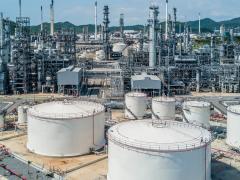
About 79 million barrels of oil are trapped in the Persian Gulf while the Strait of Hormuz remains sealed off by Iran’s Islamic Revolutionary Guards Corps (IRGC), said Raul Kapoor, global head of Shipping and Metals at S&P Global Energy.
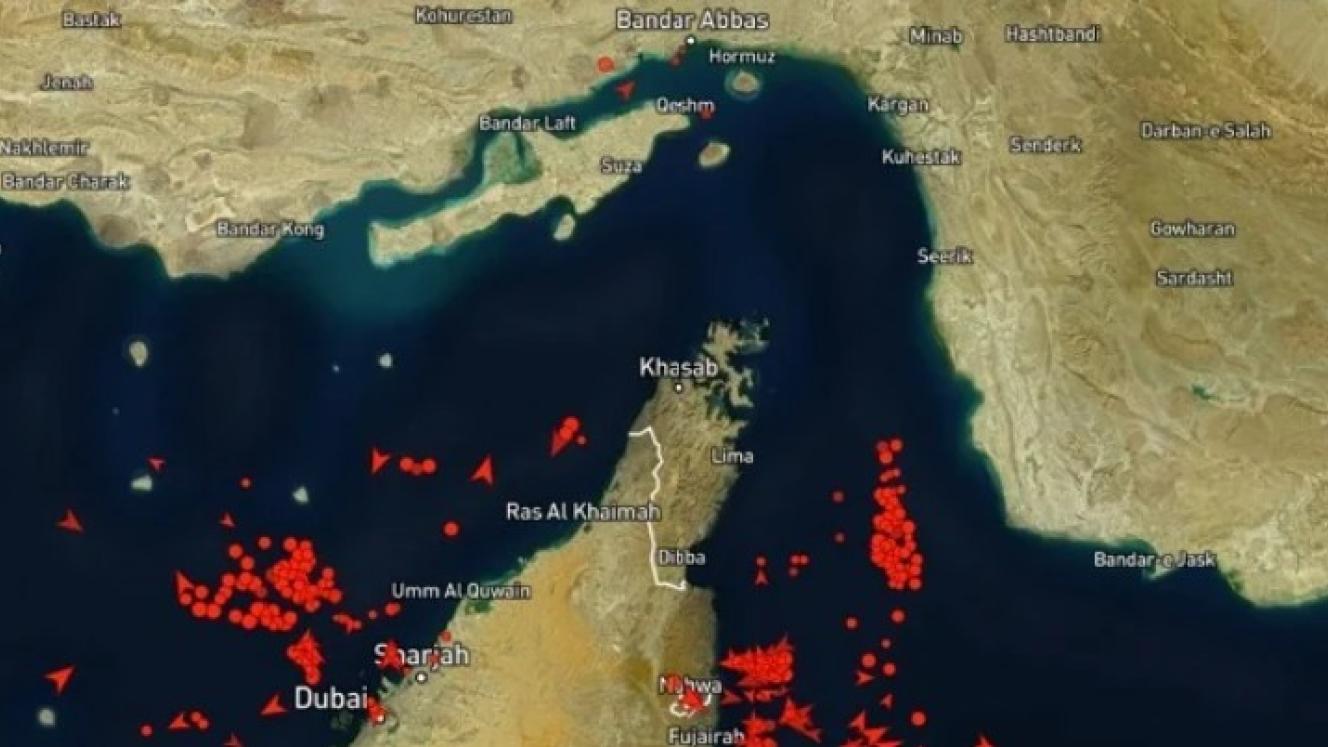
In an interview on CNBC Africa on Thursday morning, he said about 1 000 tankers were clustered in the Gulf around the Strait.
On March 4, as the Persian Gulf and Gulf of Oman remained shut off to vessel transits since Monday, Riviera Maritime Media reported that 112 crude oil tankers were waiting to exit the Gulf via the Strait.
A company statement by S&P Global on Wednesday said: “Oil tanker companies are exploring opportunities to store refined products in the Persian Gulf to ensure cash flow at a time when they are facing challenges loading and moving out of the region.”
A “senior executive of a global oil tanker company” had told the New York financial information and data analytics firm that risk storage was “a commercial decision, as there is nothing (else) to do right now”.
Vessel movement in the Gulf came under pressure on Saturday after the US and Israel started their bombardment of Iran, causing a 40-70% drop in transits through the Strait.
By Sunday, after Iran retaliated by attacking Gulf coast countries like the UAE, Oman and Qatar, merchant traffic came to a complete standstill, a supply chain shutdown exacerbated by the IRGC’s official warning on March 2 against any maritime movement in the Strait.
Kapoor said the days-long closure of the Strait was unlike anything the ocean cargo industry had experienced.
“There is no precedent for this,” he said. “The challenges are that no one was prepared.”
He said there was a lot of uncertainty in the system and that vessel owners were putting non-performance clauses into place while the Strait remained sealed off.
Talking about secondary effects, Kapoor said congestion would almost certainly ripple across the global ports system as disrupted scheduling and reliability would impact ports like Singapore and Rotterdam.
On Thursday morning, Trading Economics reported that the oil price had surged at least 17% since February 28, going from US$70 per barrel to $82.42 when the markets closed on March 3, and opening at $84 on Thursday morning.
Kapoor said that, apart from oil, supply out of the Gulf included cargoes like sulphur, fertiliser and at least 9% of global aluminium production.
Although DP World said on Wednesday that the Port of Jebel Ali was fully operational after intercepted missile debris caused a fire and the shutdown of four terminals on Sunday, “the port is effectively not taking any cargo”, Kapoor said.