Improvements at the Port of Durban are being undermined by persistent delays at key border posts along the North-South Corridor, according to a TradeMark Africa-commissioned (TMA) performance monitoring framework.
While Durban's operational performance has improved, prolonged delays at inland border crossings continue to constrain freight movement between South Africa and major regional markets, the framework found.
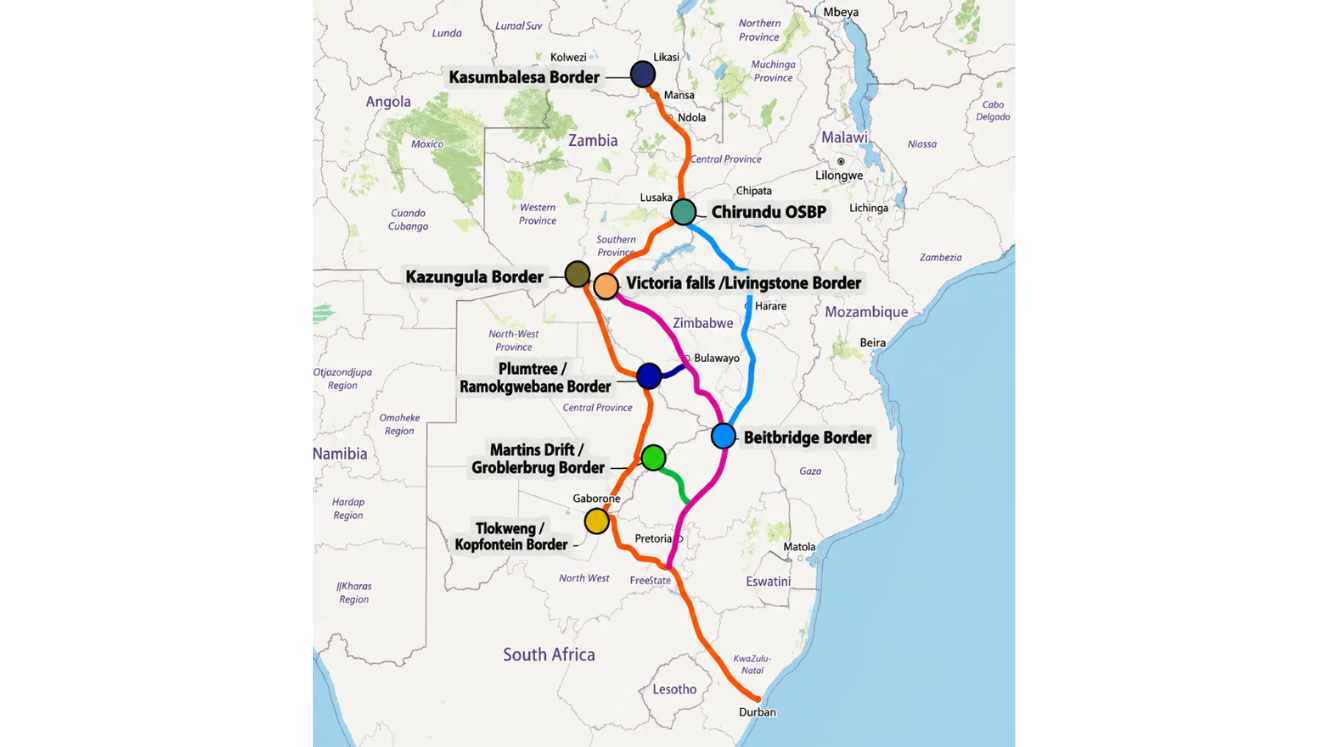
The North-South Corridor links the Port of Durban with Botswana, Zimbabwe, Zambia and the Democratic Republic of the Congo, carrying significant volumes of mining, manufacturing and agricultural cargo destined for regional and international markets.
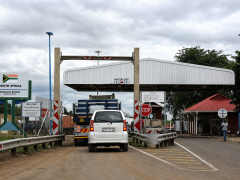
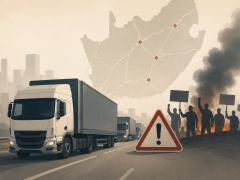
Border crossings are emerging as the corridor's biggest bottlenecks. Average crossing times at Kasumbalesa on the Zambia-DRC border have exceeded 100 hours, while Beitbridge, Chirundu and Kazungula continue to experience operational constraints that affect overall transit times.
The results highlighted the need for a more integrated approach to corridor management, including stronger co-operation between border agencies, improved customs processes and greater digital interoperability, TMA said. Reducing border delays and non-tariff barriers could improve supply chain reliability, lower the cost of moving goods across the region and support the trade objectives of the African Continental Free Trade Area.
The results reinforced the need to manage trade corridors as integrated systems rather than focusing on individual ports or border posts, said TMA Senior Director for Trade Environment, Mark Priestley.
"The approach recognises that trade corridors are systems linking ports, border posts, customs authorities, testing laboratories, transport operators and digital platforms. Improving one element without addressing the others often limits the overall impact."