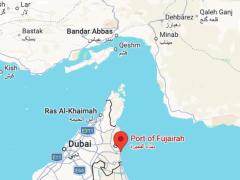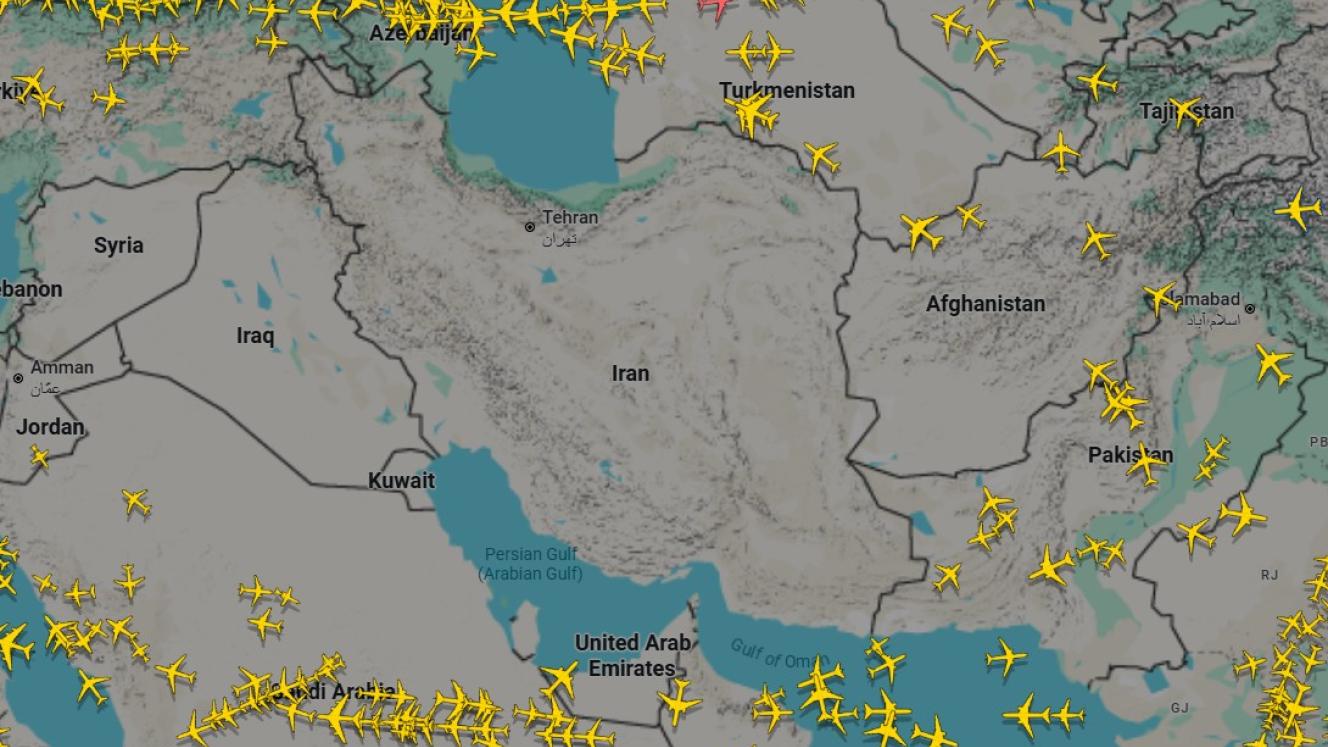
Qatar Airways, Emirates and Etihad have all confirmed that services out of the Gulf have been suspended, while footage used by Sky News showed passengers packing into Dubai International Airport, desperately trying to leave the area.
Qatar Airways Cargo has said that flight operations remain temporarily suspended due to the closure of Qatari airspace.
“Qatar Airways Cargo will resume operations once the Qatar Civil Aviation Authority announces the safe reopening of Qatari airspace.”
Emirates SkyCargo said that the current situation and evolving airspace restrictions had led to flight restrictions out of Doha until at least March 3.
The airline added that it had placed temporary restrictions on the booking and acceptance of all new shipments on its flights until Wednesday.
Etihad said: “Regional airspace closures continue to impact Etihad Airways’ operations, and all flights to and from Abu Dhabi are suspended until 14:00 UAE time on Tuesday, March 3.”
Further afield, Lufthansa has followed suit with no cargo flights going to Tel Aviv, Beirut, Amman, Erbil, Damman and Tehran until March 8.
Air Cargo News reports that capacity decreased by 18% overnight as airlines pulled back on services into the Middle East.
Tim van Leeuwen, vice president of Dutch airfreight firm Rotate, said: “Having reported yesterday (March 1) that around 12% of global air cargo capacity would be directly impacted by Middle East airspace closures, 24 hours later, Rotate Live Capacity data shows global capacity down -18% in the last 24 hours compared to last week.”
The sudden drop in capacity was primarily because of Qatar Airways, Emirates and Etihad cancelling flights, he said.
Other carriers, such as Lufthansa, also cancelling flights to the Middle East, had exacerbated matters, he said.
Directly inverse to what’s happening in the Middle East, airfreight capacity between Europe, Asia and Central Asia has increased 22% as airlines switch supply services.