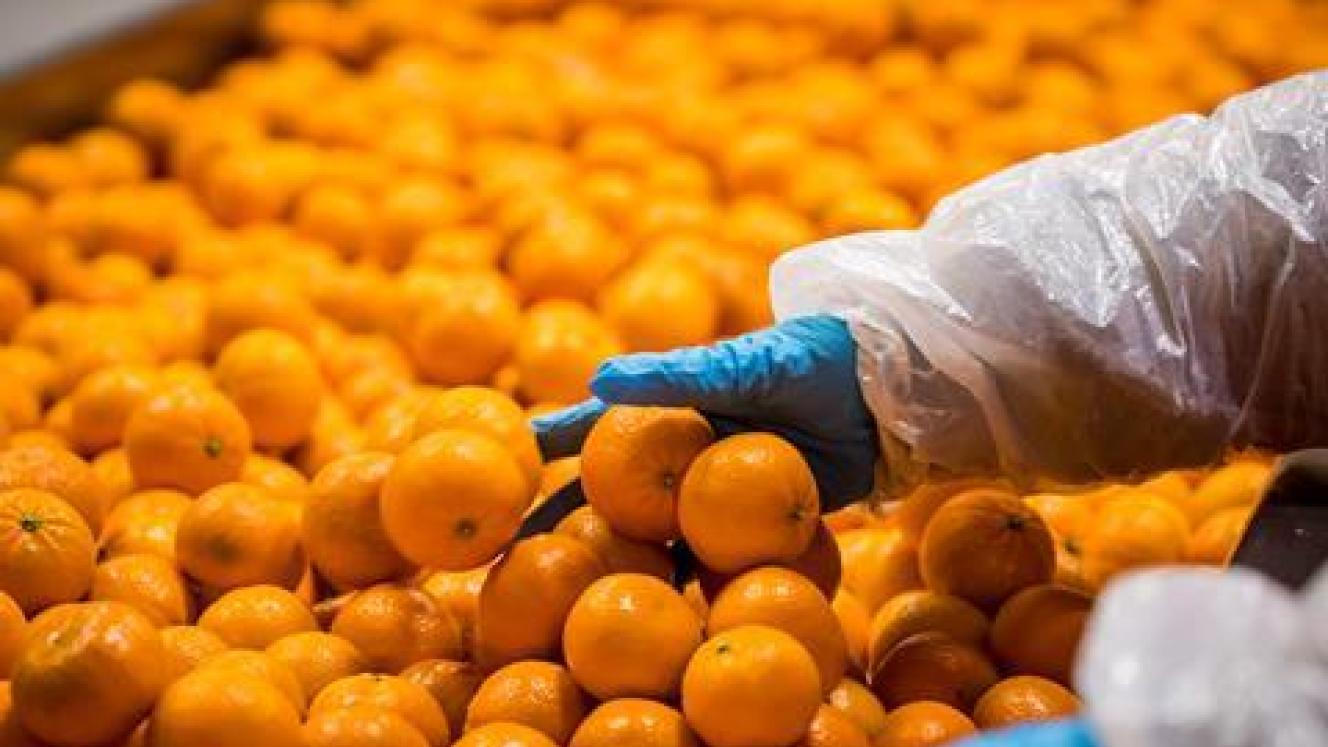
South African citrus exporters will be able to choose from a wider range of approved cold-treatment protocols when shipping fruit to India, following a change in the country’s import conditions.
Citrus exports will still have to undergo treatment to manage fruit-fly risks, but exporters will no longer be limited to the previously approved options. The additional protocols are expected to give exporters greater flexibility in treating and transporting consignments while helping to preserve fruit quality.
The Citrus Growers’ Association of Southern Africa (CGA) and the Department of Agriculture announced the approval in a joint statement on Monday, following nearly a decade of negotiations with Indian authorities.
“The improved export conditions are a significant development for the industry,” the CGA and the department said.
Minister of Agriculture Willie Aucamp welcomed the decision, saying advances in technology were enabling South African producers to overcome export barriers and reach more international consumers.
India, with a population of approximately 1.47 billion and an expanding middle class, offered considerable growth potential for South African citrus exporters, he said.
Although India is one of the world’s largest citrus producers, South Africa’s counter-seasonal production provides an opportunity to supplement domestic supply. Demand is also being supported by increasing health-conscious consumption and interest in mandarin-type citrus.
CGA chairperson Boitshoko Ntshabele credited the Department of Agriculture and Citrus Research International for their sustained technical engagement with Indian authorities.
“This demonstrates the importance of sustained public-private partnership in improving technical conditions for accessing markets,” Ntshabele said.
However, he cautioned that high import tariffs continued to limit South Africa’s competitiveness in the Indian market.
Most-favoured-nation tariffs of approximately 25% to 30% place South African citrus at a disadvantage to Southern Hemisphere competitors that benefit from preferential trade arrangements.
“We look forward to working with the Department of Trade, Industry and Competition on the critical task of addressing these tariff barriers and improving the competitiveness of South African citrus in the Indian market going forward,” Ntshabele said.
The CGA said progress in negotiations on a preferential trade agreement between the Southern African Customs Union and India could help unlock the market’s potential and support the long-term diversification of South Africa’s citrus exports.
“Combining improved phytosanitary market access with more competitive tariff conditions is key to growing South Africa’s presence in India and supporting the long-term sustainability, growth and diversification of the South African citrus industry,” the association said.
South Africa exported a record 203.4 million 15-kilogram cartons, equivalent to about 2.9 million tonnes of citrus in 2025. The industry is working towards its Vision 260 target of exporting 260m cartons annually by 2032.